
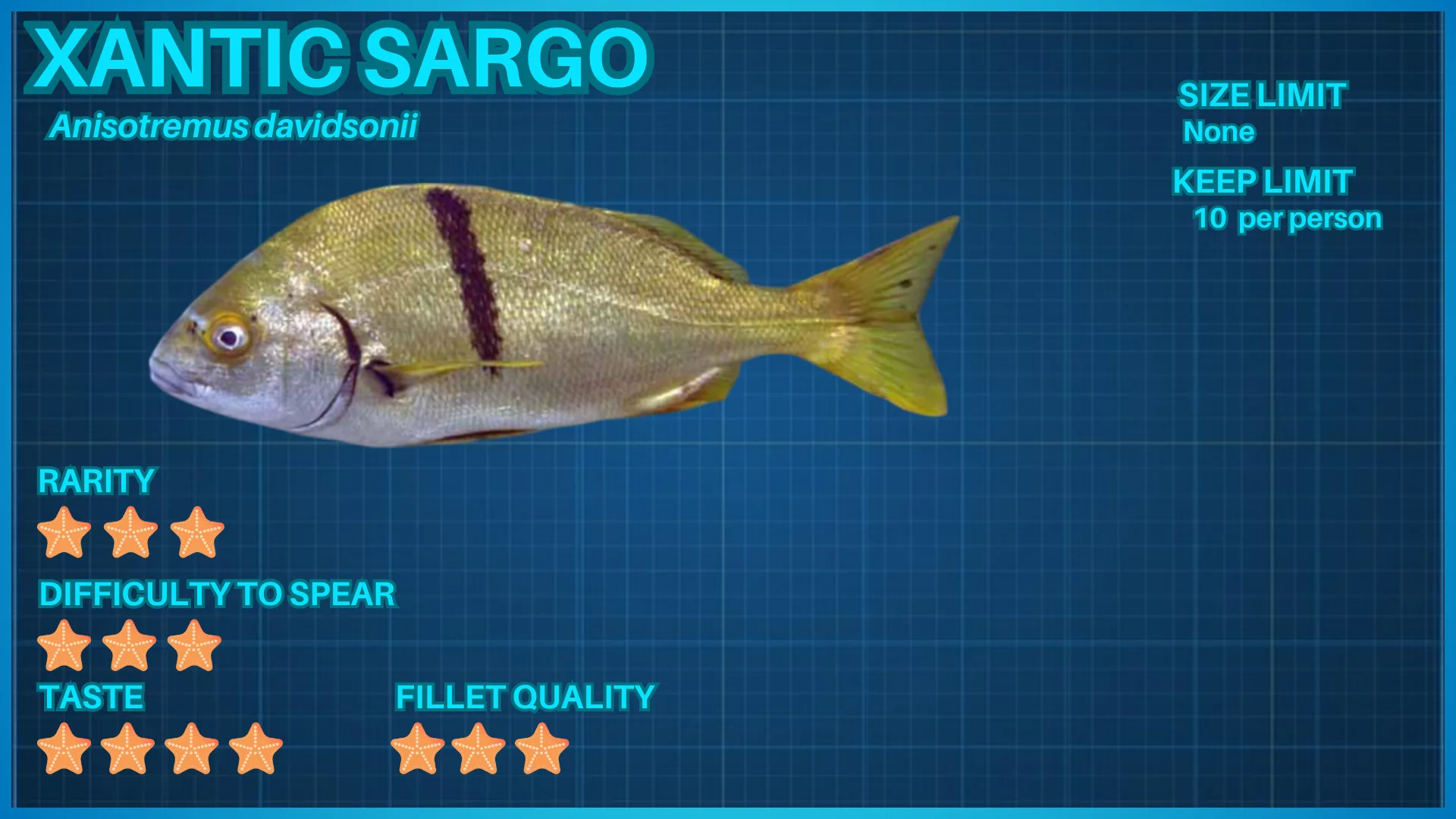
Also calledChina croaker, xantic sargo
 Spearfishing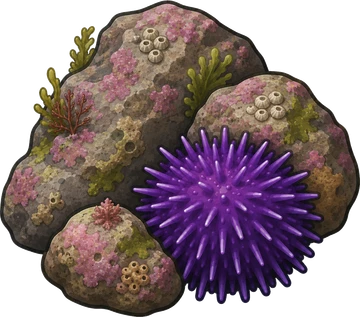



Spearfishing photos - viewer discretion advised
Spearfishing Stats
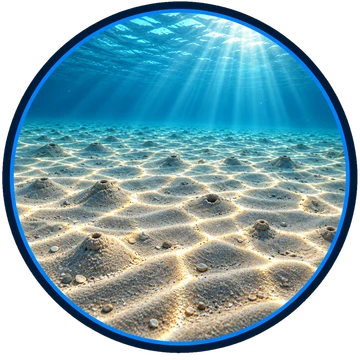
Southern California shallow rocky reef and adjacent sand
Taxonomy
Rarity
Abundance rates how many are in suitable habitat. Find difficulty rates how hard it is to locate one on a daylight snorkel or freedive through 50 ft. A higher find score means a harder search. The rarity category also reflects the kind of encounter; it is not an average of the 2 scores.
Regulations
CDFW rules verified 2026-07-09
Seasonality
Edibility
Firm meat, but a small yield off a bony frame.
Location
Sargo range along the eastern Pacific from Santa Cruz, California, south to southern Baja California, Mexico, with an isolated population in the Gulf of California. The center of the population is southern. The fish are most abundant from southern Baja California north to Santa Monica Bay in Los Angeles County, and they thin out fast north of Point Conception in Santa Barbara County. Sargo are bottom-oriented and travel in loose schools that cruise close to the seafloor. They hold on rocky reef, along the outer edges of kelp beds, over sandy patches beside rocks, and around pilings in bays and along ocean piers. Adults are most often seen in 8 to 25 feet of water, though the species ranges down to about 130 feet and occasionally to 200 feet. Juveniles grow up in tide pools and shallow rocky pockets along the coast before joining the adults on the reef. Spawning happens in late spring and early summer, when adults pair off and release eggs into the open water column, where they drift as part of the plankton before hatching.
Spearfishing Brief
Sargo are one of the easier reef fish in Southern California to hunt. Finding one rates a 2 on the 1 to 5 scale and the shot rates a 3. Finding one takes normal searching along rocky reef and the outer edges of kelp beds in 10 to 40 feet of water, which is the same zone a shore diver already dives for calico bass and California sheephead. The single broad dark bar down each silvery flank is a strong visual mark. Loose schools cruise the bottom in the open often enough that a diver over good structure will turn some up in a normal dive. The exception is that individual fish tuck into caves, under ledges, and into crevices in the reef during the day, so a diver who does not look inside the structure will pass right over them. A single spearfishing guide describes tapping the speargun on a rock, or making other noise, as a way to draw these curious fish out for a look. That account comes from the spearfishing community rather than from research, and how sargo respond to sound has not been studied.
The shot is the harder half and rates a 3. A slow, controlled approach into the school gets a diver inside a few feet, with time to line up the fish and pick which one to take, but the approach has to be earned and a diver who pushes in loses the school. A statewide guide lists sargo among the fish a beginner takes in the first year or two of diving.
The right weapon is a standard shore-diving speargun. Sources do not agree on a length. One Orange County guide puts a 45-inch or longer 2-band gun on the reef for calico bass and sheephead, the same setup a diver already carries on the structure sargo hold to, while another California guide sizes sargo and other small shallow-water fish at 60 to 90 cm. A quality pole spear works in shallow water too. No specialized rig is needed. Sargo is also a popular hook-and-line target for pier, surf, and bay anglers throughout Southern California, most often caught on ghost shrimp, fresh mussels, or sea worms fished on the bottom. A diver hunting a Southern California reef is hunting the same fish those anglers are trying to catch from above.
Deep Dive
Sargo belong to the grunt family, a mostly tropical group of reef fish with only 2 species, sargo and salema, that reach California in numbers. The family name refers to the sound the fish make. A member of this family has 2 sets of specialized teeth in the throat, called pharyngeal teeth, that it grinds together to produce an audible grunting or growling noise. The sound is picked up and amplified by the swim bladder, the gas-filled organ a fish uses to control its depth, which acts as a resonator. A sargo landed on a pier makes this sound loudly enough for a person nearby to hear it out of the water. In the family generally, these sounds serve social and anti-predator functions, though the specific role of vocalization in sargo biology has not been closely studied.
Sargo reach a maximum of about 23 inches and 4 pounds, though most fish taken are 10 to 14 inches. They live up to 15 years. Spawning happens in late spring and early summer in nearshore water. Pairs form and release eggs and sperm into the open water column. There is no documented aggression from spawning sargo toward divers or people. Adults feed off the bottom on small invertebrates. The diet is mostly small crustaceans, especially crabs and shrimp, and mollusks such as clams and snails, along with bryozoans, the small animals that grow in crusts on rock, and other small bottom animals. They have small mouths and small teeth, and they make their living by nosing around bottom structure for hidden prey. Documented predators include larger reef and pelagic fish and sharks. Juveniles grow up separately from the adults, schooling in tide pools and shallow rocky pockets along the coast until they are large enough to move onto the reef.
One of the more unusual chapters in California fisheries history involves sargo and the Salton Sea, an inland saltwater lake in the desert of southeastern California. In 1951, the California Department of Fish and Game stocked 65 sargo from the Gulf of California into the Salton Sea, part of a broader 1950s effort to build a saltwater sport fishery in the lake by transplanting fish from Mexico. Sargo took hold. For decades they supported one of the lake's main fisheries, alongside a handful of other Gulf-origin species. That ended between roughly 2000 and 2003, when the salinity of the Salton Sea rose past what the fish could tolerate and the population died off. Sargo has not persisted anywhere outside its natural coastal range.
On the plate, sargo is a modest but respectable panfish. The meat is white, firm, and flaky, with a mild, slightly sweet flavor. Community opinion is not unanimous. Most divers and anglers describe the eating quality as good, while a smaller share report a muddy off-flavor from some fish, and one Mexican fishing guide calls it marginal table fare. Grilling, baking, pan-frying, broiling, and fish tacos are the common preparations. Sargo will not top a California diver's list the way a white seabass or a yellowtail does. It is a plentiful, easy-to-approach reef fish that a shore diver can bring home from a normal dive, and it makes decent tacos. That is enough to make it a regular table fish on the Southern California coast.
Where to Find Them
Researched habitat and range candidates
San Diego · 22 beaches
Orange County · 15 beaches
Catalina Island · 14 beaches
Los Angeles · 16 beaches
Channel Islands · 24 beaches
Ventura · 23 beaches
Santa Barbara · 13 beaches
San Luis Obispo · 26 beaches
Monterey · 18 beaches
These locations have suitable habitat within the species range. An assignment is a possible encounter, not a confirmed sighting at every beach. Season, depth, and local conditions still matter. Historical habitat without present-day evidence is excluded.