

Original reporting on the ocean, spearfishing and diving stories, and the conditions shaping the California coast.
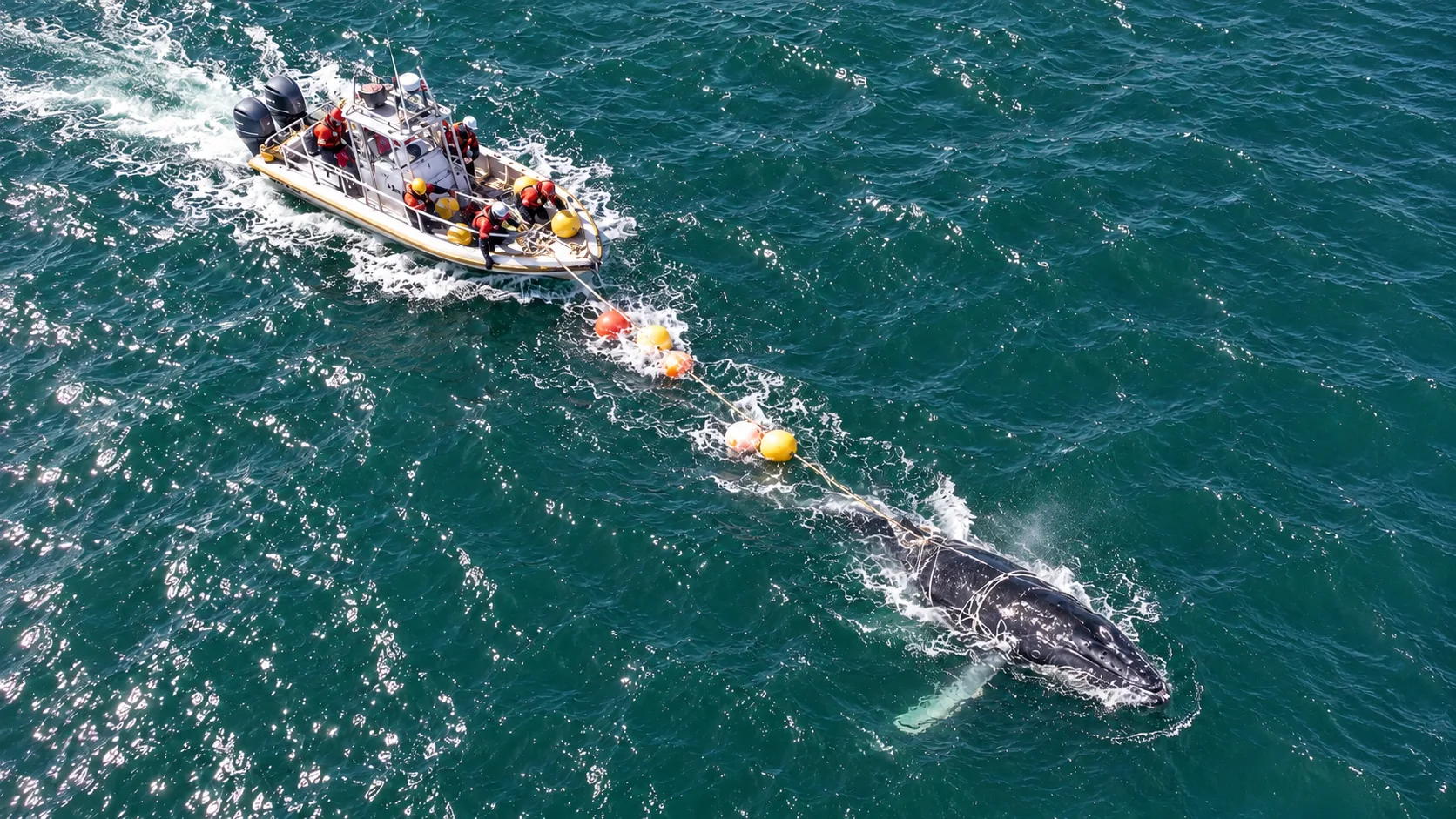
One Whale Freed Off San Clemente, and the El Niño Math Pushing West Coast Entanglements Toward a Record
Rescuers cut a young humpback loose near the San Clemente Pier on October 18. It was 1 of 46 confirmed whale entanglements on the West Coast this year, 4 short of the record set during the last big El Niño, and NOAA expects this one to be stronger.
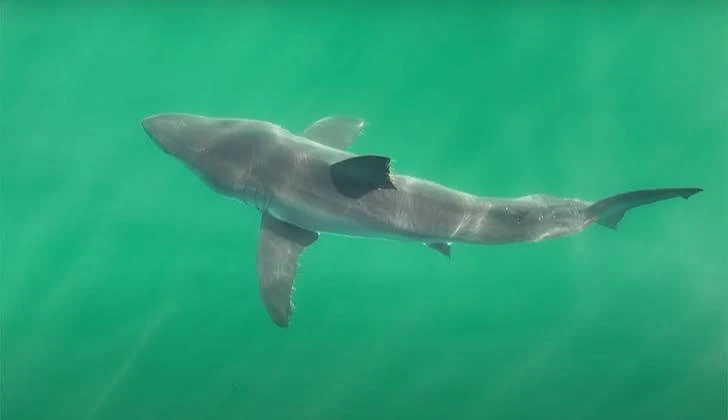
Circling at Tower 16: An Adult White Shark Closes 2 Miles of Huntington Beach's Water
A foilboarder's report of a 10 to 12 foot white shark off Lifeguard Tower 16 shut the water from Seapoint Street to the Huntington Beach Pier for a day, as the director of the Cal State Long Beach Shark Lab says the El Niño shark season could run well into December.
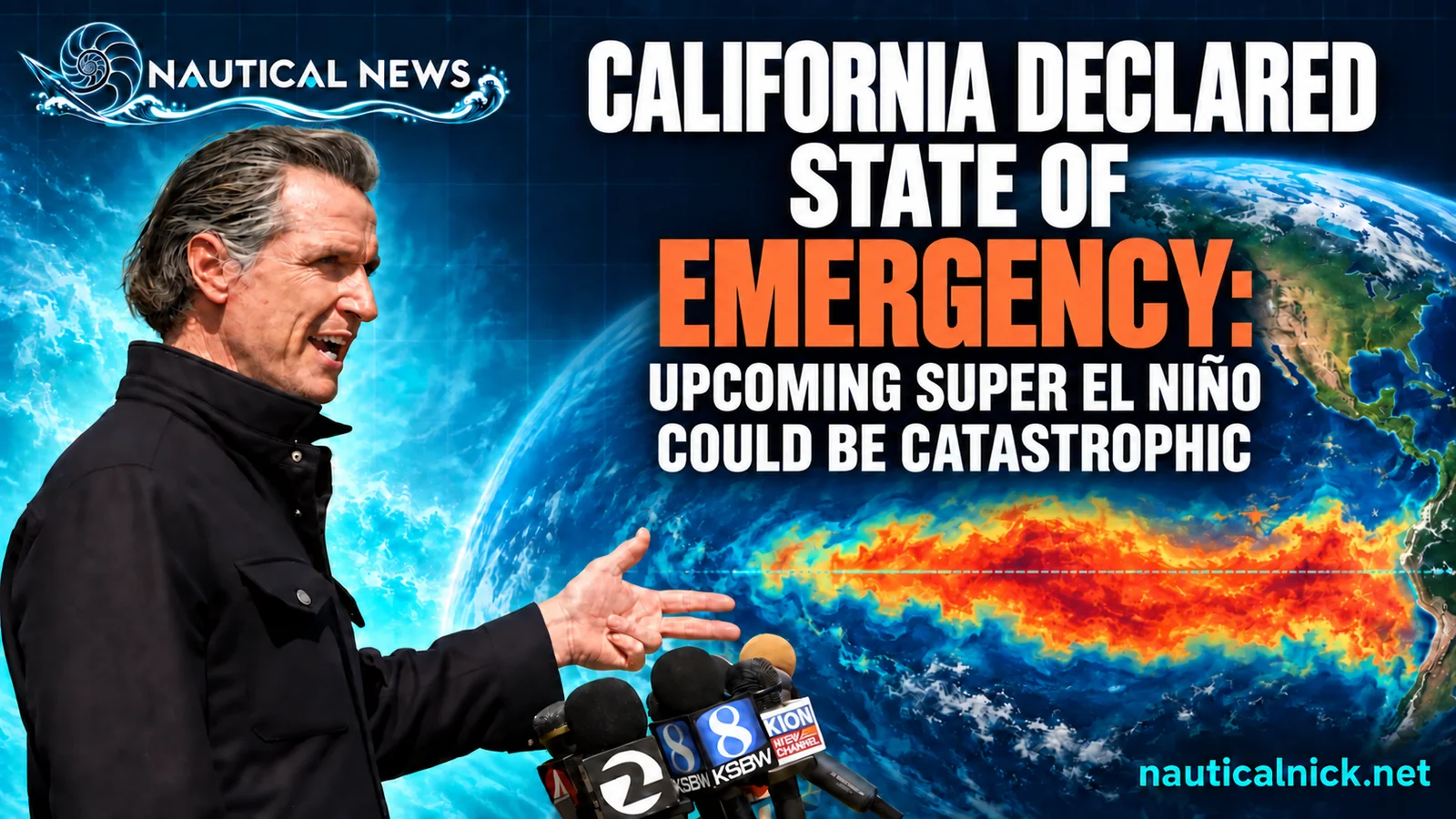
Warm Water Rising: California Declares an Emergency as a Potentially Record El Niño Takes Hold
Governor Gavin Newsom's September 21 proclamation mobilizes state resources as NOAA gives the developing event better than a 90 percent chance of turning very strong, and a pulse of warm ocean water due on the California coast by October is expected to lift sea level by roughly a foot.
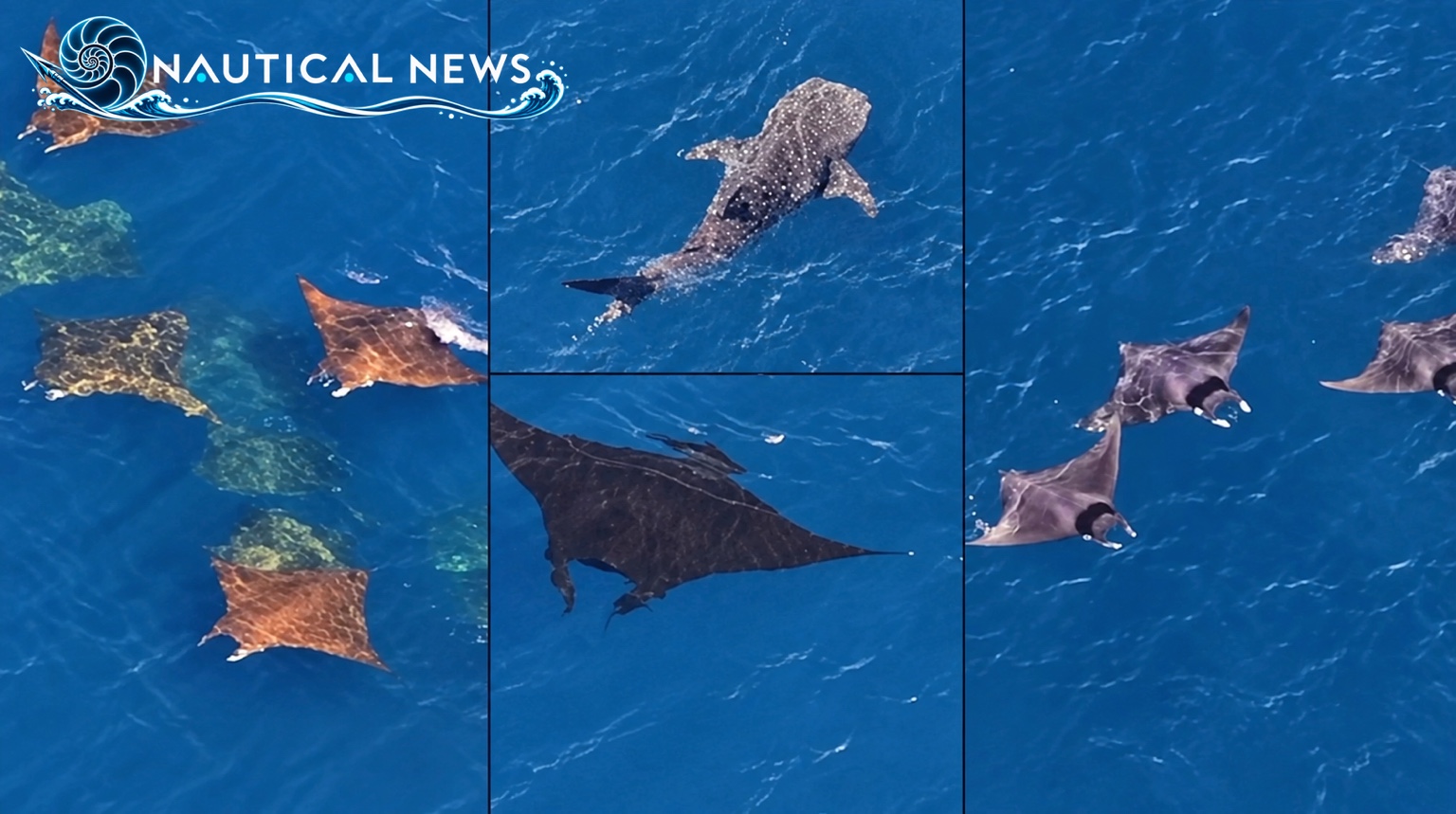
The El Niño Arrivals: A Complete Accounting of What Warm Water Has Brought to Southern California
Whale sharks, 3 filmed hammerhead encounters, 5 separate orca days, 18 logged Bryde's whales, and flying squids. Learn why they’re here and what we can expect in the coming days to months.
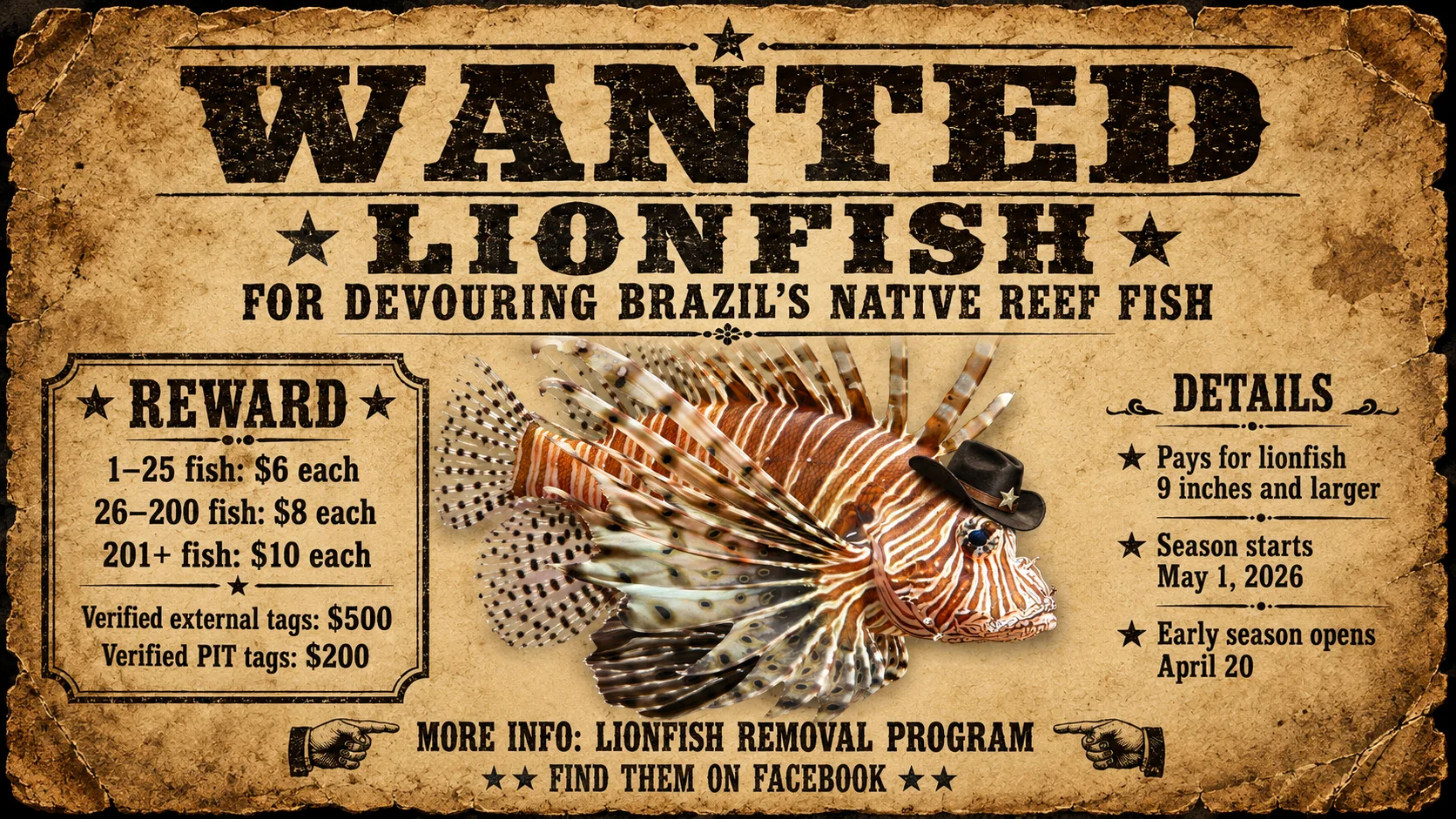
Bounty Fishers Part 2: Get Paid to Kill Lionfish
A Brazilian beach town is paying fishermen about 2 US dollars a fish to pull venomous lionfish off its reefs, and the program started roughly 2 months after the town's first sighting.

Clear Start, Green Finish: San Diego Ocean Visibility, August 2026 in Review
La Jolla's water ran clearest in the first 10 days of August and murkiest in the last 3, and on every day lifeguards reported, La Jolla Cove read clearer than La Jolla Shores.

License to Spear: Oregon Opens Its Rivers to Bass and Walleye
On New Year's Day, Oregon made it legal to spearfish for bass and walleye in the state's rivers and streams. It is a win for spearos, and a quiet shot at 2 non-native predators that feed on native salmon and steelhead.

Bounty Fishers: The Government Will Pay You to Go Fishing
On the Columbia and Snake rivers, anglers are paid by the fish to catch and kill northern pikeminnow, up to $500 for a tagged one. The strangest part is that the fish carrying the bounty is a native.

This Heatwave Was Just the Warm-Up: El Niño Hasn't Even Reached SoCal Yet
A finescale triggerfish crossed a Scripps Pier camera this month, in water running well above its August normal, and NOAA says El Niño has not started working on this coast yet. The region is still in the opening act.

37 Feet and Holding: San Diego Is Having Its Clearest, Warmest Stretch of the Year
The Scripps pier cam has graded 28 feet or better every day since July 30, the water has been running near the warmest ever recorded at the pier, and NOAA expects El Nino to strengthen through the fall.

Grunion Run 2026: The Best Guide
Everything you need to know about the California grunion run and how to make the most of it: what a grunion run is, the rules and regulations, when and where to find them, and the best ways to prepare and eat them. Scroll to the end for the 2026 dates and times.
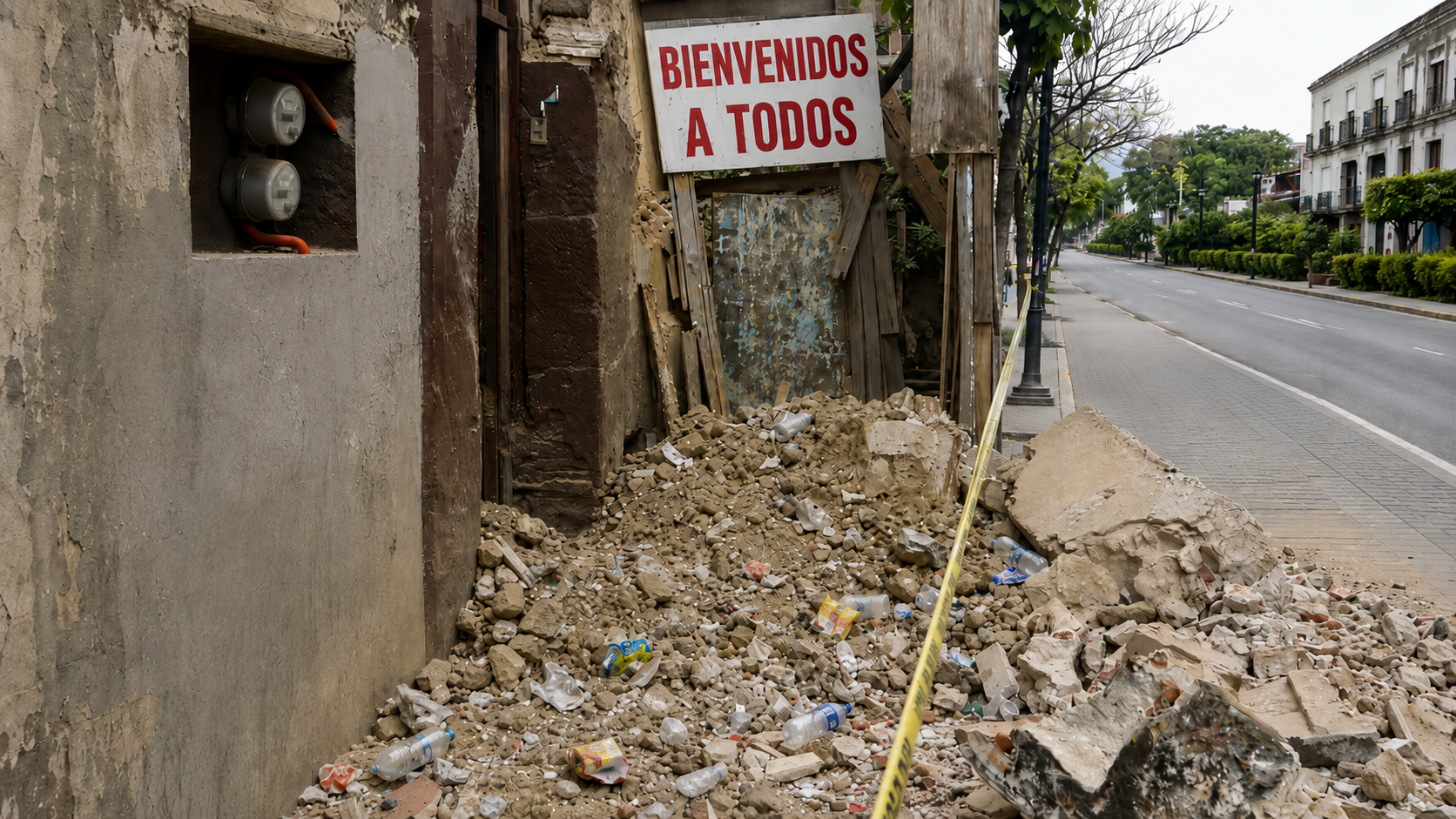
7.4 Earthquake in Mexico Raises Tsunami Alert: How Tsunamis Devastate Ocean Ecosystems
A powerful quake off Chiapas triggered a tsunami warning on Friday, then a swift all-clear. It is a chance to ask a quieter question: when a tsunami does hit, what does it do to the sea?
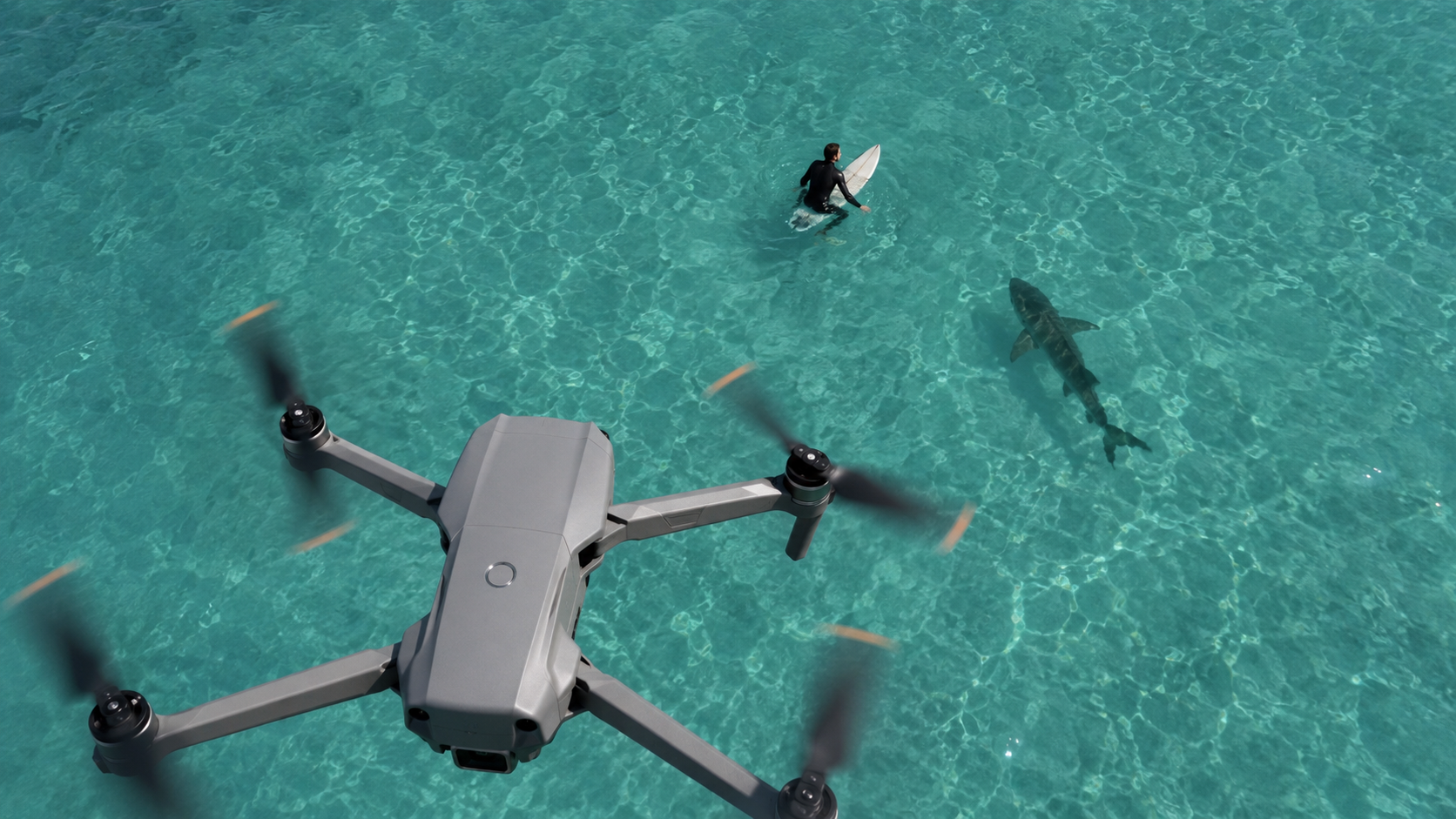
Australia Is Spending $120 Million to Create a Drone Shark Patrol Force to Cut Down on Shark Attacks
After a great white took a swimmer's arm at a Sydney beach, New South Wales is scaling up what it calls the world's largest aerial shark-surveillance program, betting on drones and AI over nets.
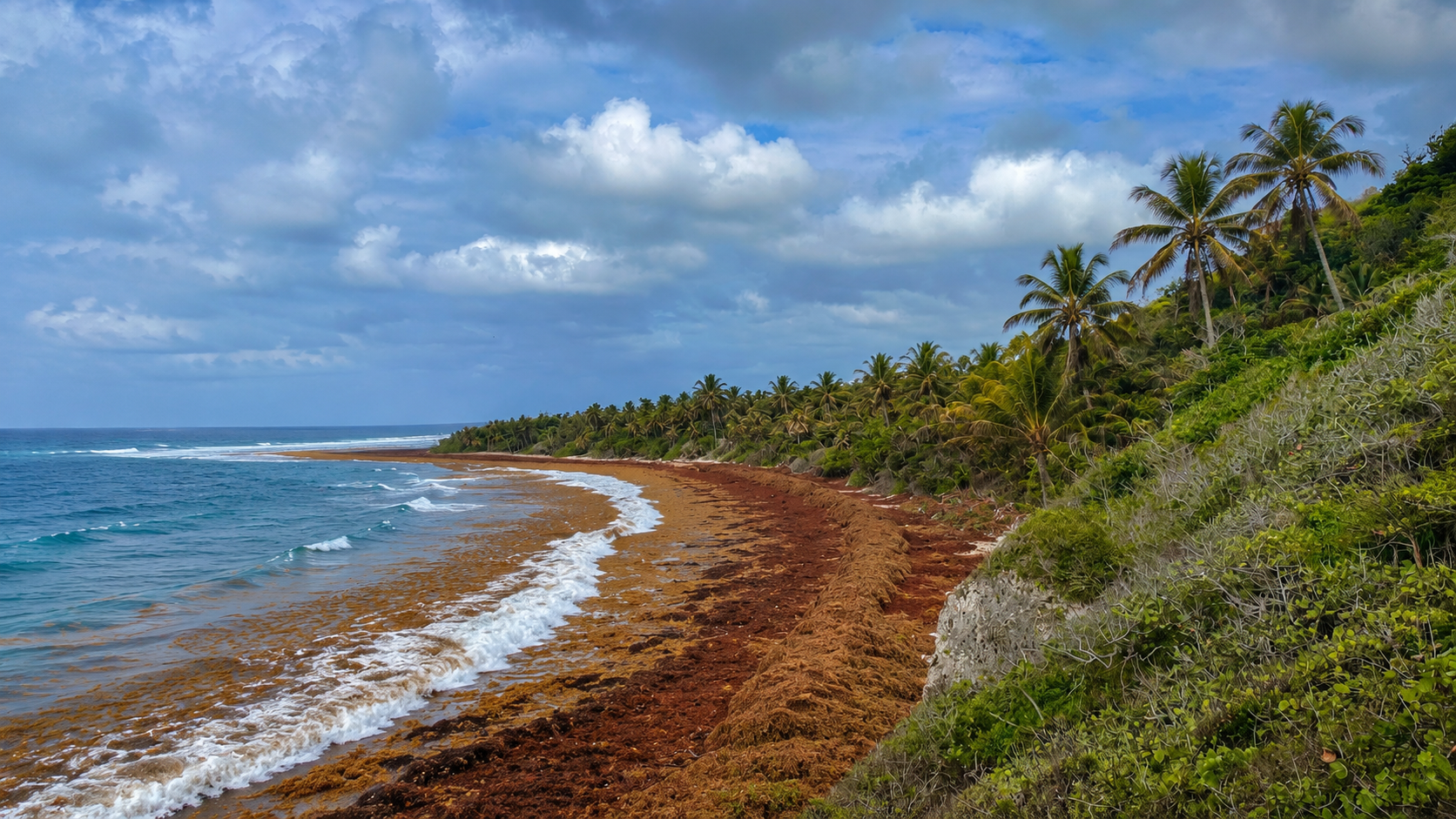
Massive Seaweed Die-Offs Stink Up the Coast and Murk Up the Water in the Florida Keys
A record-size belt of sargassum is burying the Keys, rotting in the canals, killing fish, and turning clear water to soup. Scientists say it is probably the new normal.
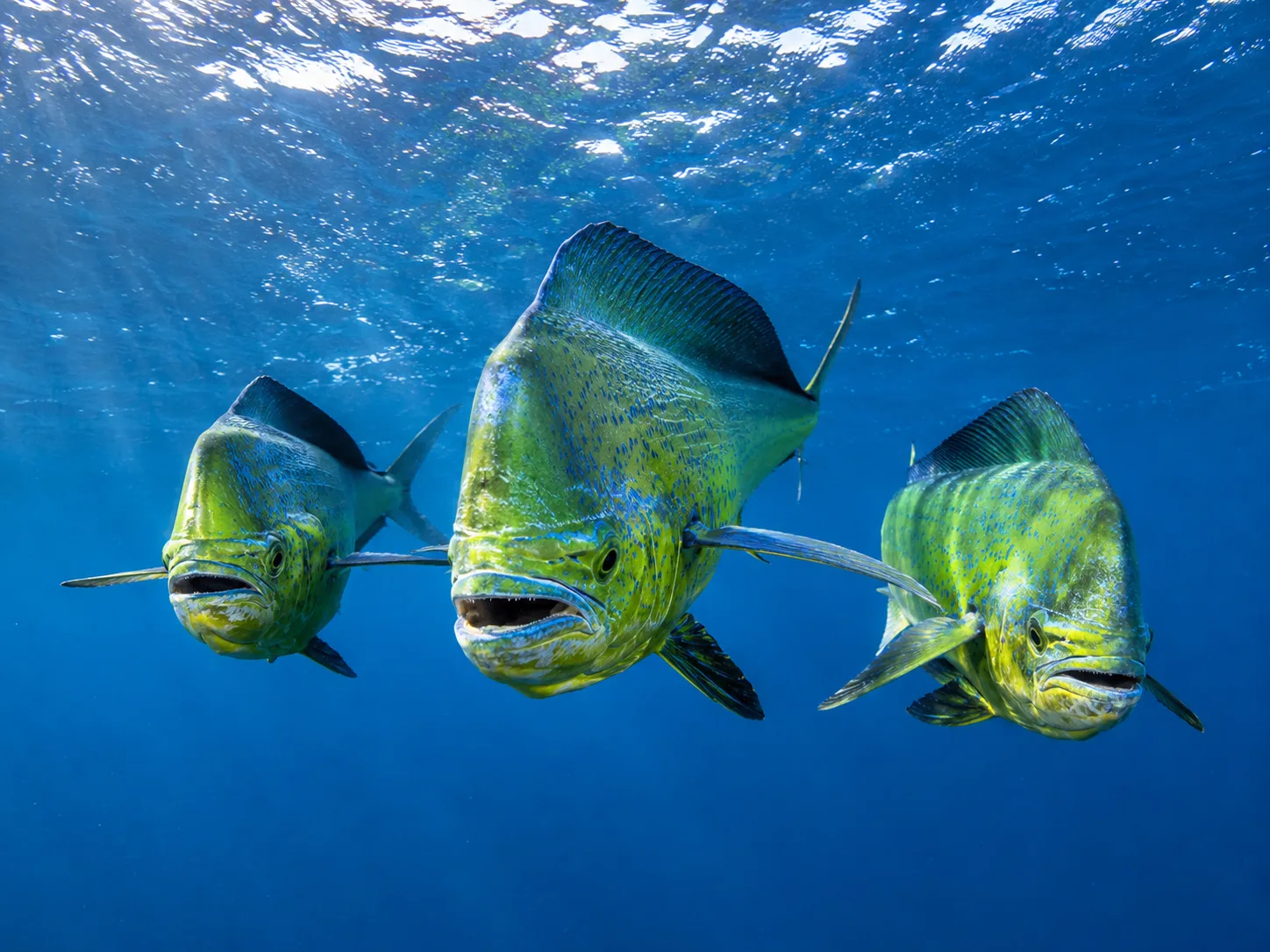
Seven Percent: The Storm Aid Puerto Rico's Fisheries Are Still Waiting For
Seven years after Hurricanes Irma and Maria, a federal audit found Puerto Rico had spent just 7 percent of the $11.4 million meant to rebuild its fisheries, most of it stuck in bureaucracy while fishers rebuilt alone.

Why El Niño Is Spiking the Price of Copper
Copper is already at record highs on a global supply crunch. Now a strengthening El Niño threatens the Andes mines that dig 40 percent of the world's supply, and traders are watching the Pacific.
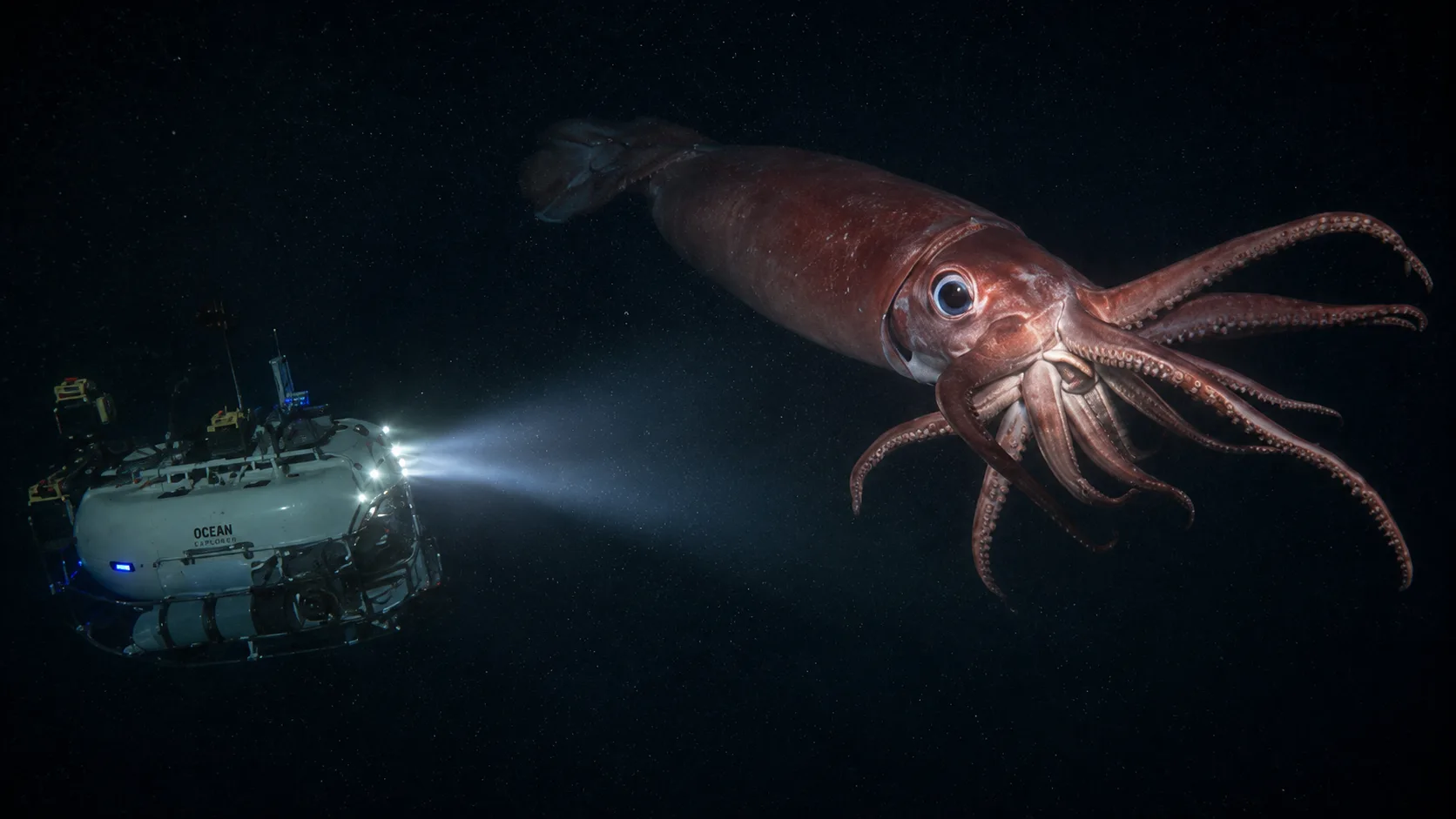
Giant Squid Are Much More Common Than We Think... We Just Didn't Know Where To Look
For a century we read the ocean's giant squid, and their even larger cousin the colossal squid, as rare. A new wave of stealth cameras suggests the problem was never the animals. It was our blinding white lights.
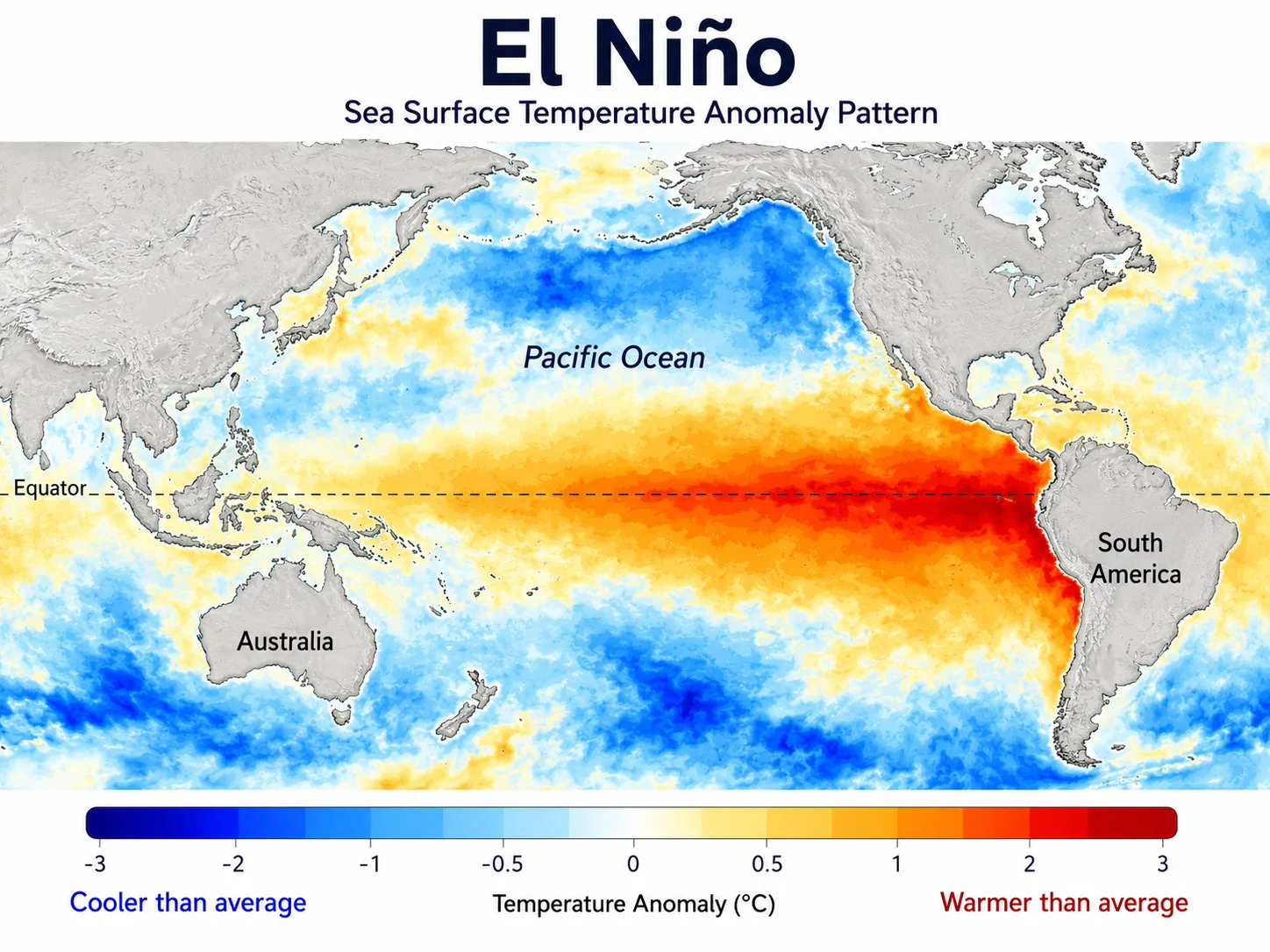
The Pacific Runs a Fever: A Possibly Record El Niño Is Forming, and California's Water, Fish, and Kelp Will Feel It
NOAA says El Niño has formed and could become one of the strongest on record. Here is how it changes ocean visibility, the fish, and the health of the coast.
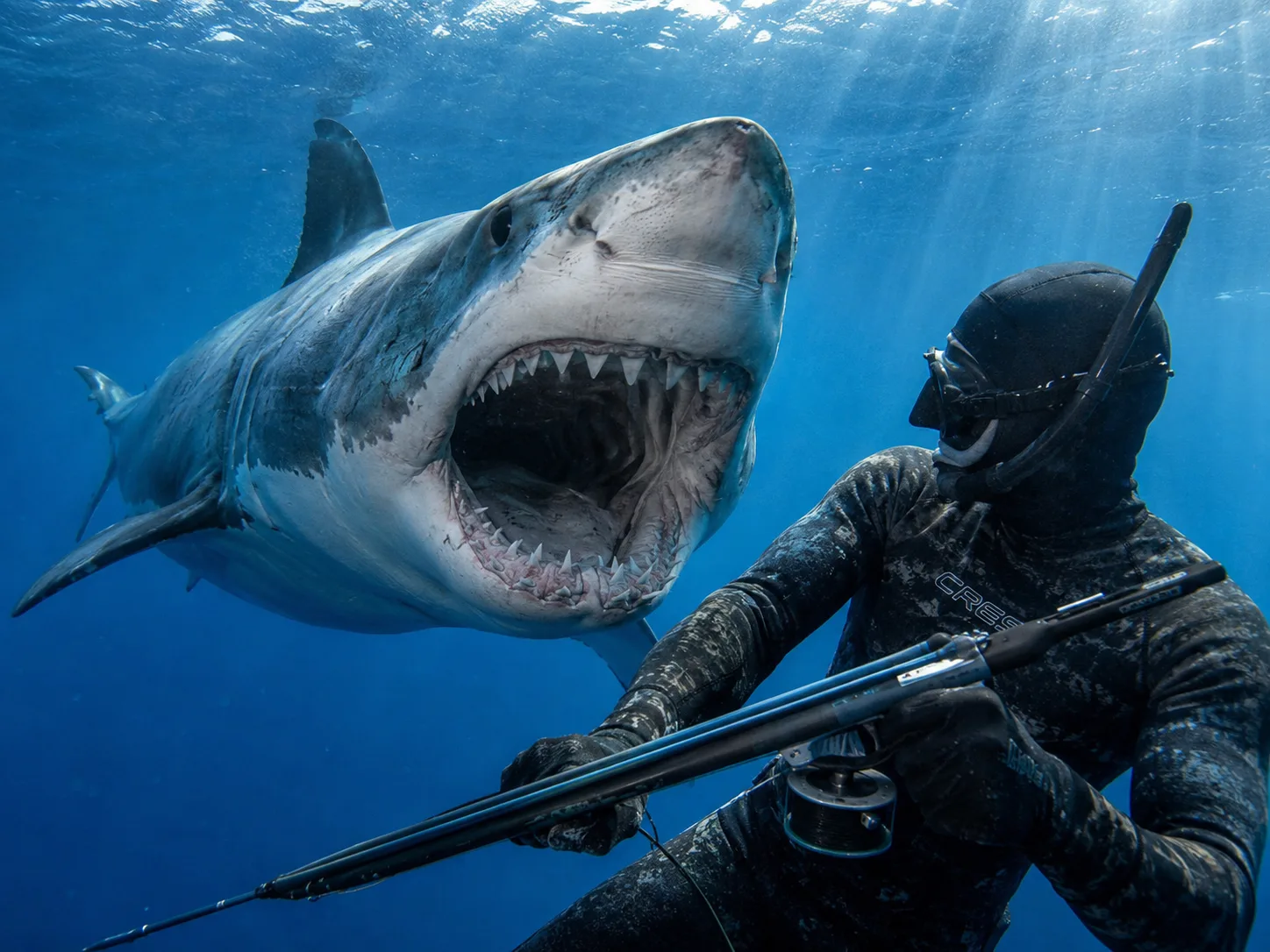
Three in Four Weeks: Australian Sharks Keep Killing Spearfishermen
Three spearfishers have been killed off Australia in a month. Here are the numbers behind the danger, and the warming water that may be shifting it.
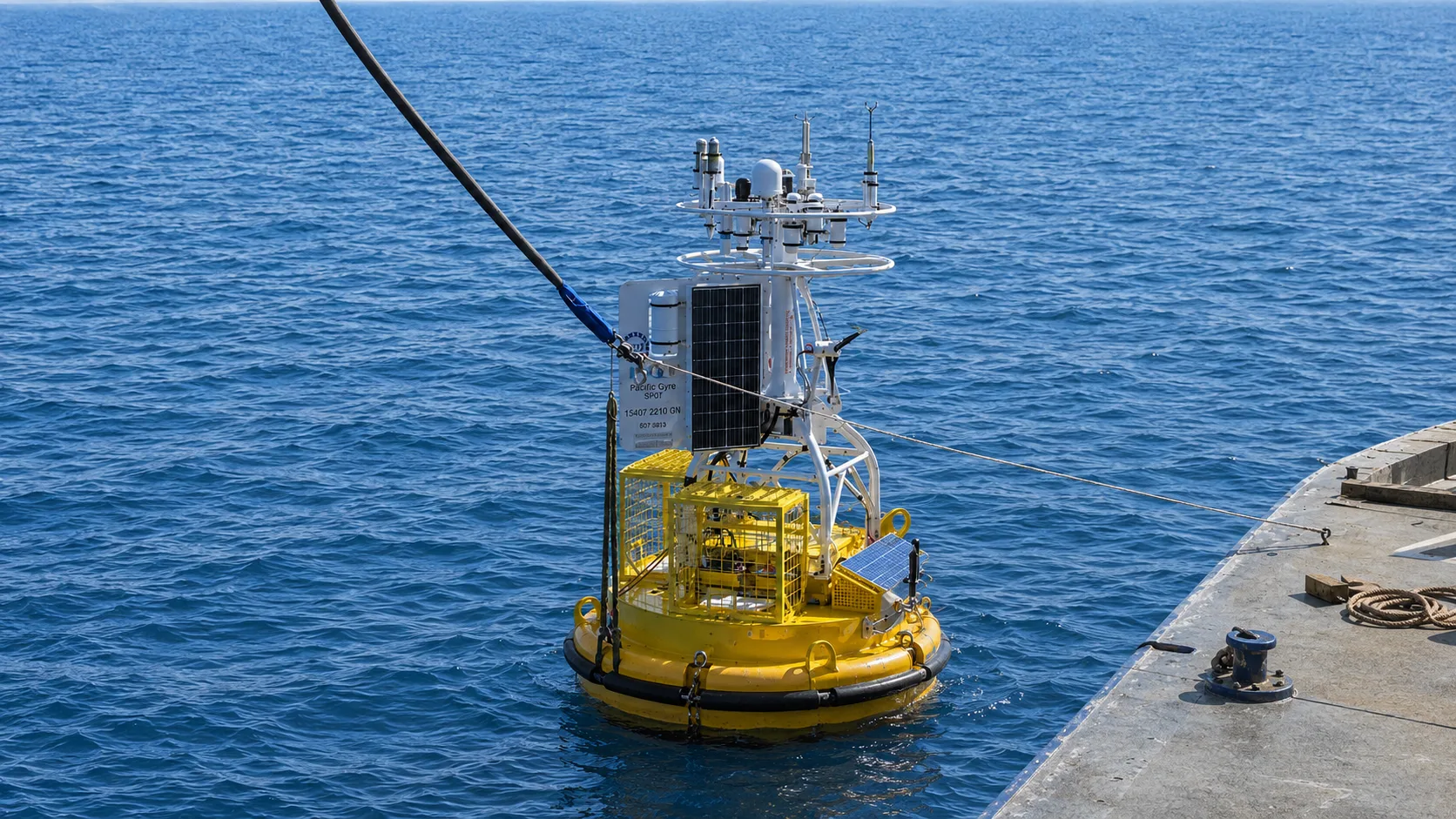
Unplugging the Deep: Why More than 900 Oceanic Sensors Are Being Removed For Good
The National Science Foundation is pulling more than 900 sensors from the Atlantic and Pacific, ending a decade of uninterrupted ocean data. Why? Yet another instance of the Trump Administration pulling funding from something vital.