
Gaviota State Park Beach
Santa Barbara · Santa Barbara County · California
Visibility Breakdown
Visibility by position
Solid = diver report · outlined = today's forecast

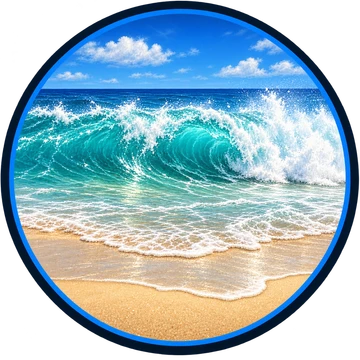
Break Zone: The range of water where the waves break and sediment is stirred up.
Post Break: The range past where any waves are forming, where the water starts to have a significant increase in visibility. There might be some sediment here, but swell energy is diffused and the water is calmer.
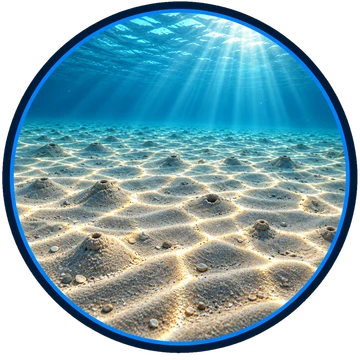
Open Water: This zone is far out enough from the shore that the water is at its clearest. It’s deep enough that sediment is not disturbed by the wave energy at the surface. Haze can sit near the surface, so the water is usually clearer the deeper you go.
Through the day
Today's visibility readings at this spot, shown at the hour each one was taken.
Every bar is a reading for the Post Break zone.
This chart shows measured diver reports only.
Did you dive today?Please share the visibility to make our algorithm more accurate.
Report visibility
Coastal Bulletin
About Gaviota State Park Beach




Why it reads 9–13 ft
Today's forecast runs
Dawn is the clearest window. A late-morning onshore builds surface chop and gives up a few feet by the afternoon.
Medium confidence
7-Day Forecast
Today is the live headline above. Tomorrow onward is the algorithm's forecast from predicted swell, wind, and rain, updated each morning and at 6 PM Pacific.
Map and parking
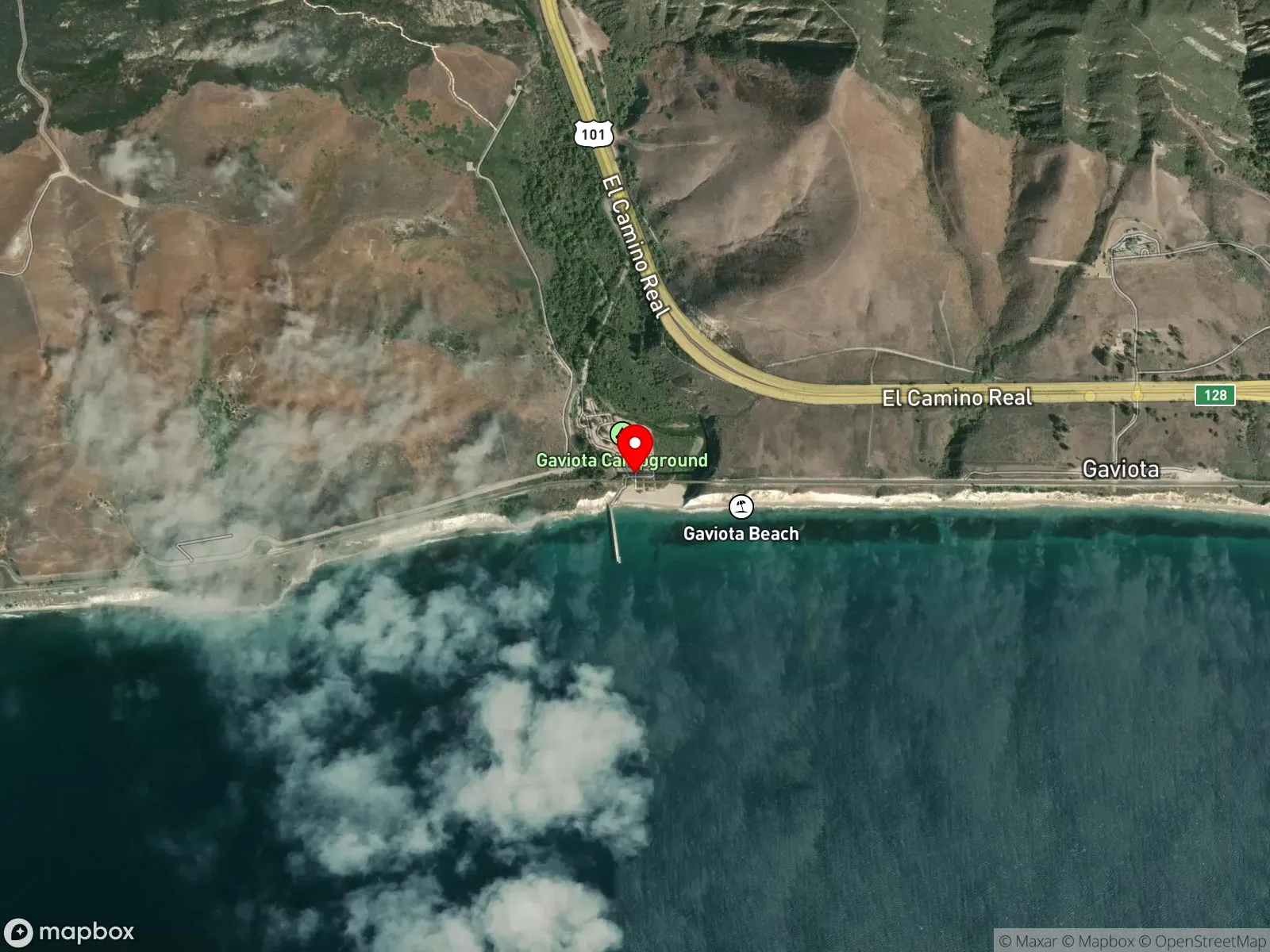
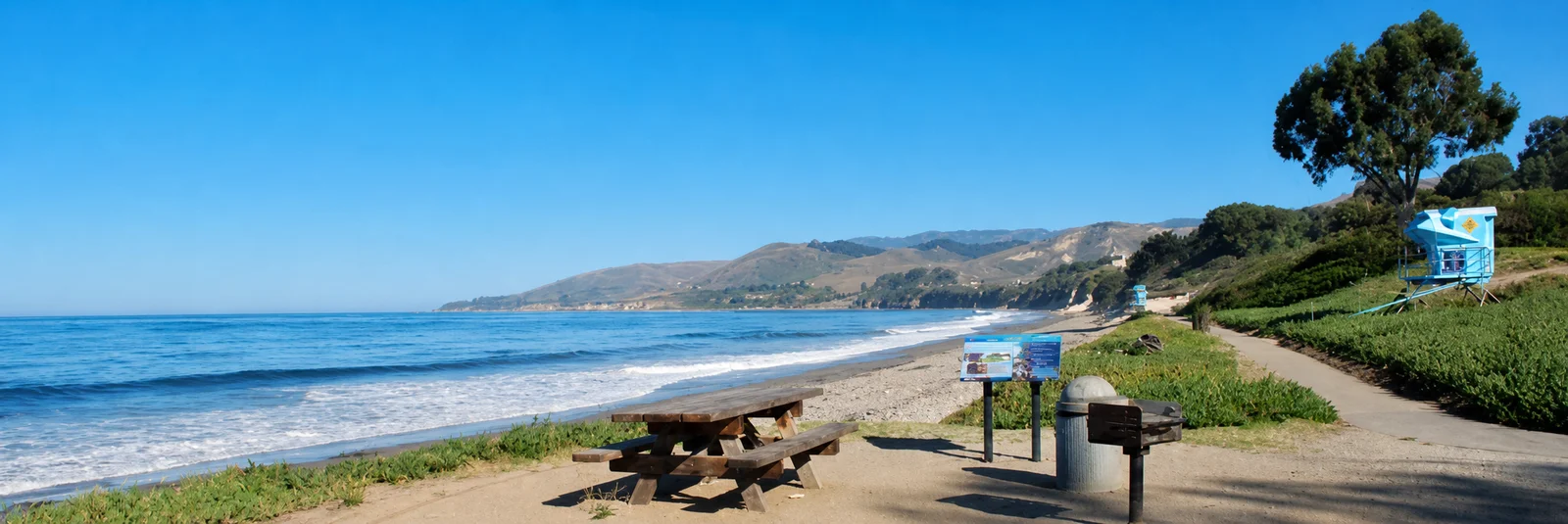
Day-use parking on the beach side of the trestle, plus the campground lot. Day-use fee applies. Visitors walk under the railroad trestle to reach the sand.
 Google Maps ↗
 Apple Maps ↗
 See the offshore water on Pelagiscape →Clarity, temperature breaks and kelp off this beach.
About Gaviota State Park Beach
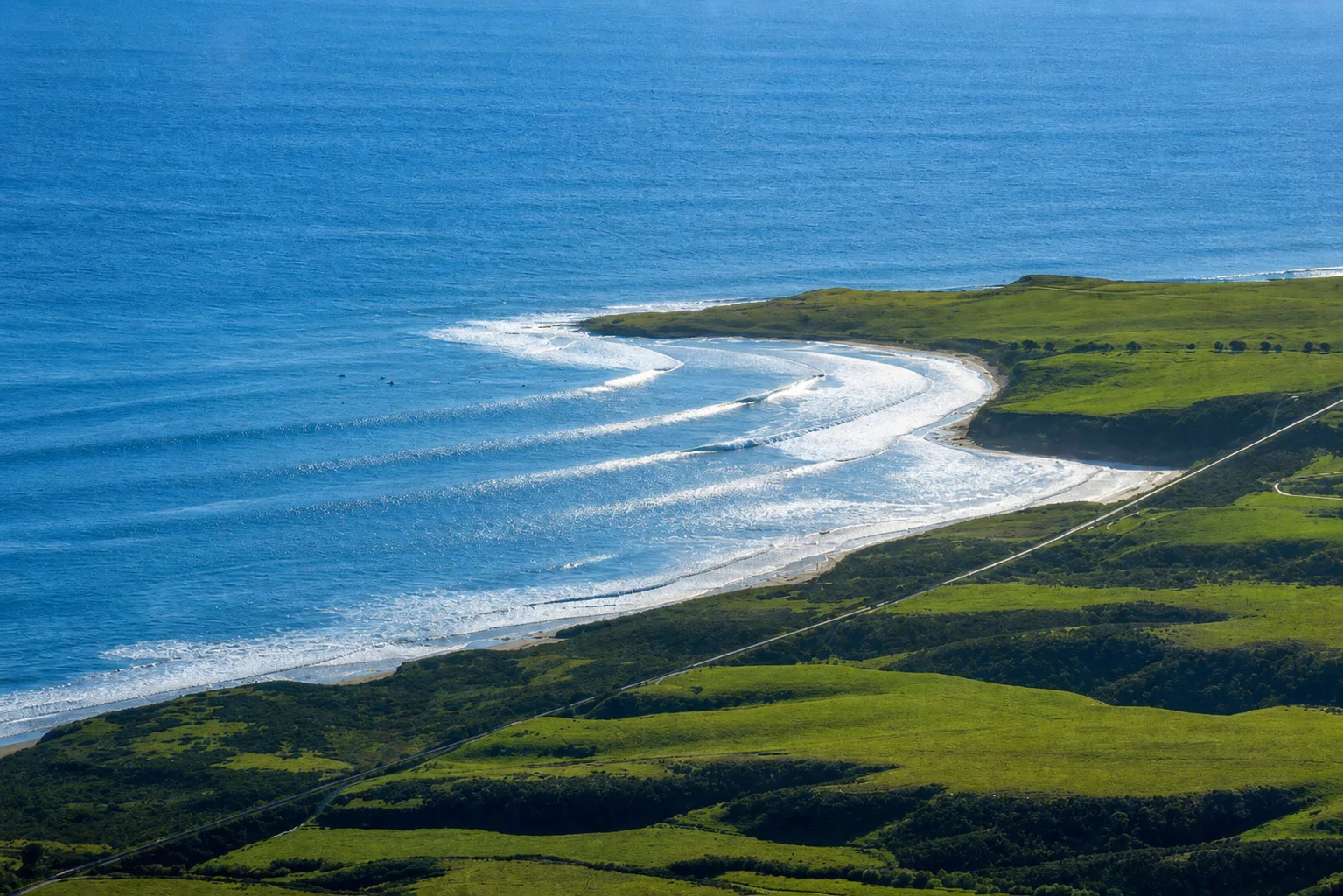
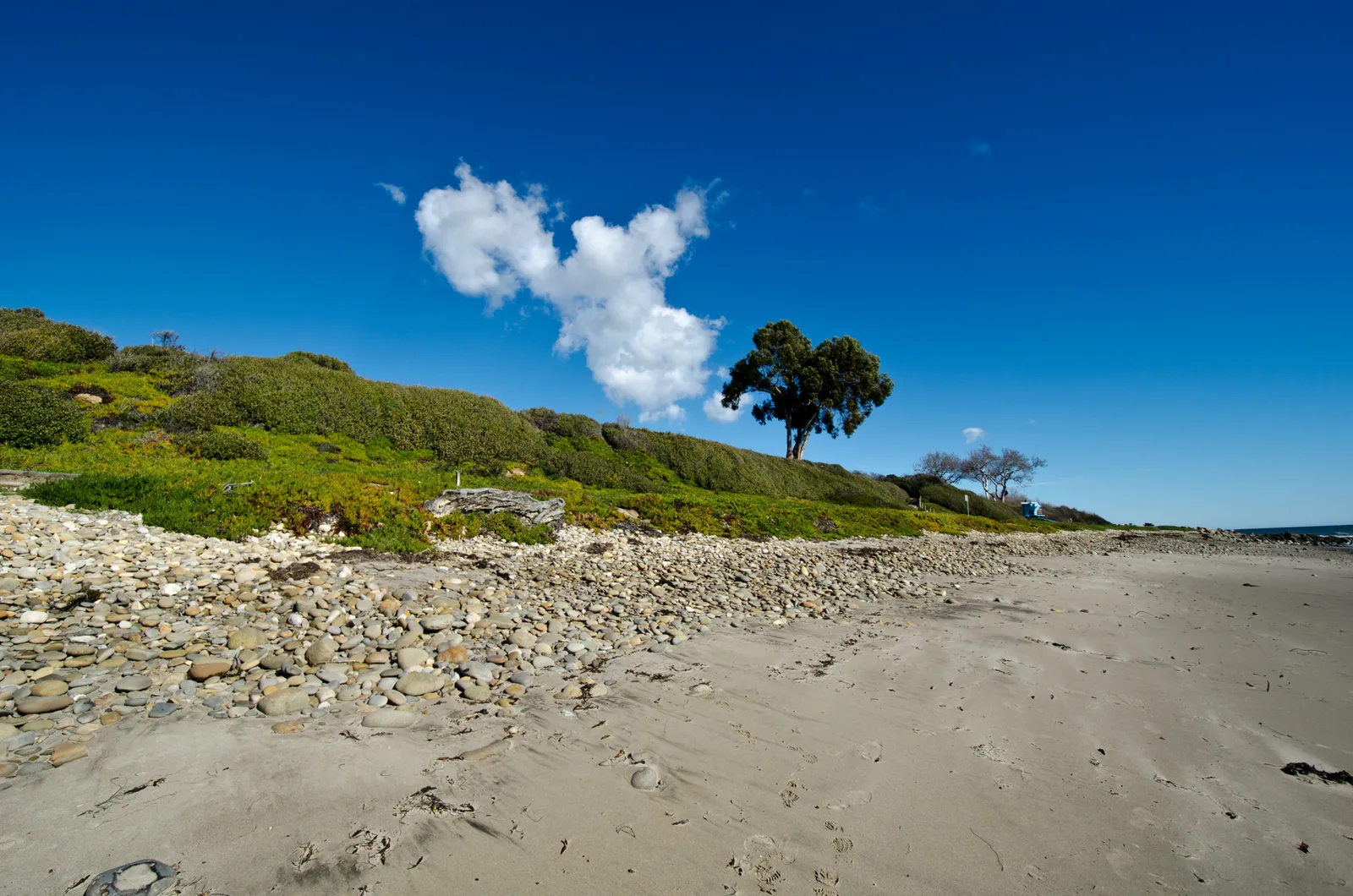
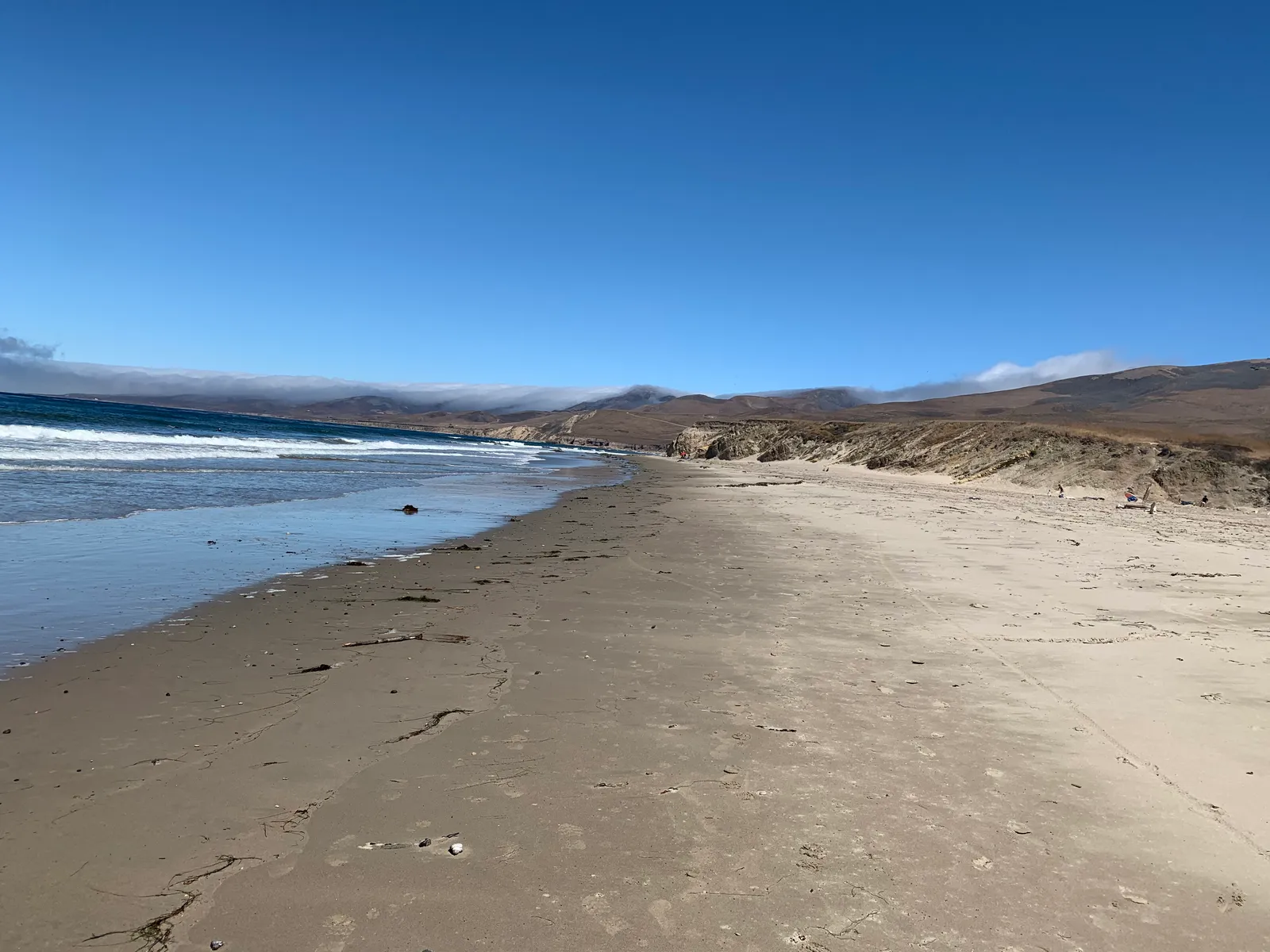
Gaviota State Park Beach sits at the mouth of Gaviota Creek on the western Santa Barbara coast, where a towering Southern Pacific railroad trestle frames the entrance to the sand. Visitors walk under the trestle to reach the beach. The wind is nearly constant here, the water runs colder than the protected coast east of the point, and there are no permanent lifeguards on duty. The pier that once extended from the beach has been closed since storm damage in 2014 took out the outer 100 feet, and it remains closed indefinitely. The 2,742-acre park unit climbs into the hills behind the beach, with the Gaviota Hot Springs trail running into the backcountry. The Chumash village of Kashtayit, meaning "place of willow," stood near here, and the marine protected area offshore carries the name.
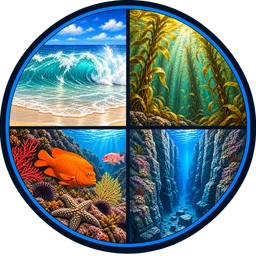
Biomes here

Species found here
Researched habitat and range candidates. A listed species may be seasonal or depth-limited; this is not a confirmed sighting at this location.
Spot strategies
 Ocean Oracle Pro
Gain the Power
of the Oracle.
Ocean Oracle sees the future. Get 7-day visibility forecasts for every beach, alerts when a prime day is coming, and a dive log that remembers every dive.
Free shows you what the ocean looks like today. Ocean Oracle shows you the week ahead, watches your beaches for you, and remembers every dive.
One full-screen map of the water off all of California: satellite water clarity and temperature, temperature breaks, seafloor shading, depth lines, surface kelp, Marine Protected Areas, currents, wind, and swell. Save your spots as pins and get an email when a temperature break comes near them.
Visibility predictions for the entire week ahead at any beach. Plan dives, schedule charters, and book trips without guessing.
When a beach on your watchlist is running good water, or the week ahead shows a good day coming, Ocean Oracle emails you. A prime window never slips past.
Every entry freezes that day's report: visibility, tide, swell, wind. Log catches, stamp Personal Bests, level up your guns, and light up your species life list.
The Coastal Bulletin greets members with the clearest water on the coast today and their own watchlist, before a single click.
Track your favorite beaches in one place. Forecasts and alerts for everywhere you dive.
A members-only board on every beach where taking fish is legal: how other members hunt the spot, with the gear, tide, season, and target species. Post your own and earn XP.
See the future. Dive on the right days.