
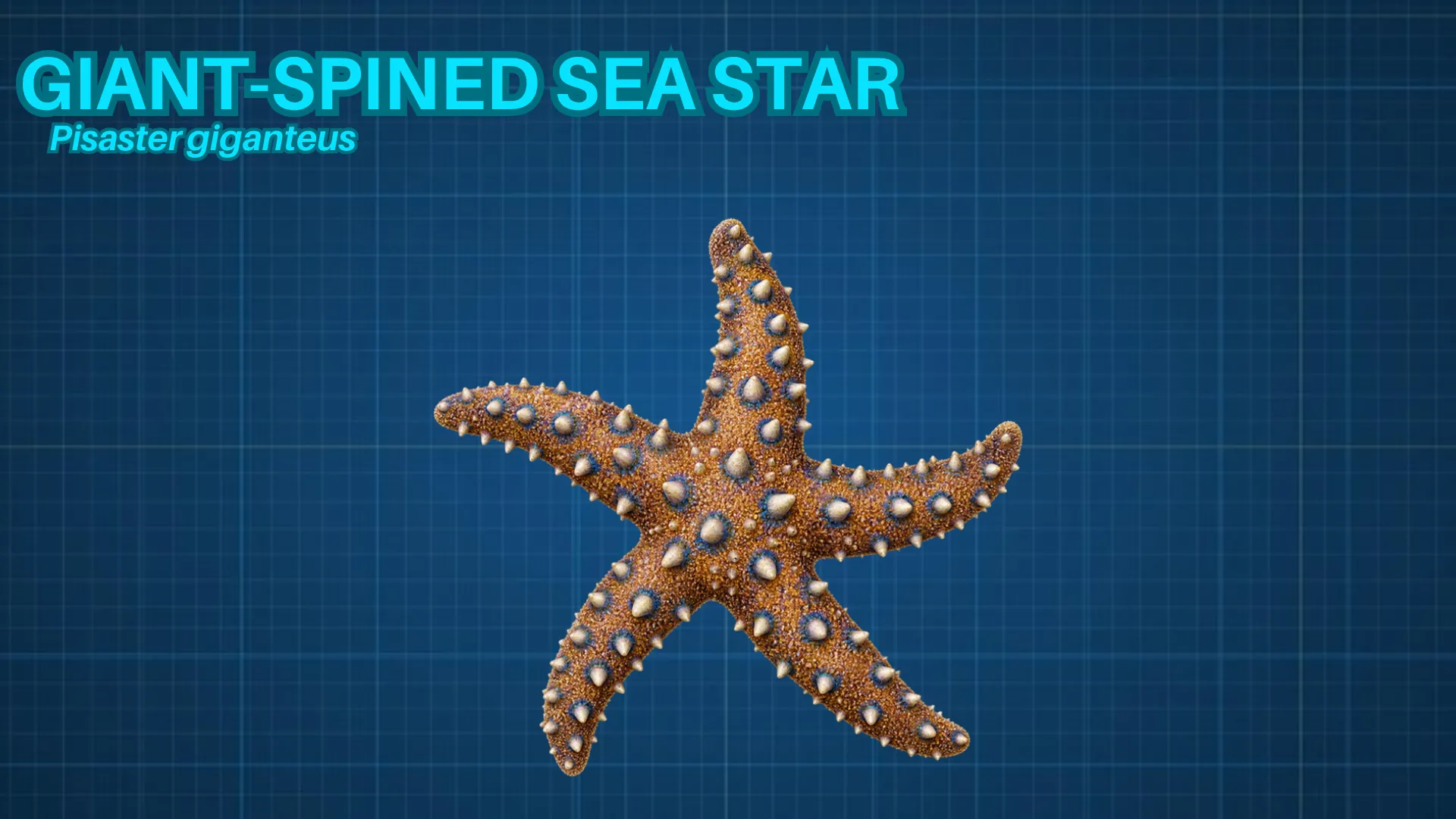
Also calledgiant sea star


Taxonomy
Rarity
Abundance rates how many are in suitable habitat. Find difficulty rates how hard it is to locate one on a daylight snorkel or freedive through 50 ft. A higher find score means a harder search. The rarity category also reflects the kind of encounter; it is not an average of the 2 scores.
Seasonality
Location
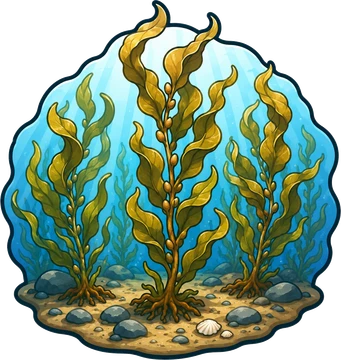
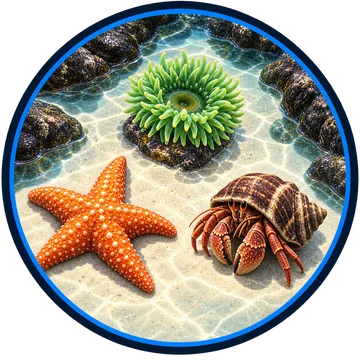
The giant-spined sea star lives from Vancouver Island in British Columbia to Isla Cedros in Baja California, and it is more common in the southern part of that range. It is a subtidal animal. The Sanctuary Integrated Monitoring Network reports that it lives in the lowest intertidal but is rarely found there at most sites, and that it ranges down to about 300 feet. It prefers rocky bottom and kelp forest, and it also turns up on sand and on pier pilings.
The subtidal animals grow much bigger than the ones near shore. The monitoring network reports that the average intertidal giant-spined star is smaller than the average ochre sea star, while subtidal ones can far exceed it. It grows to about 24 inches across.
Deep Dive
The monitoring network notes that despite its name, the star is by no means gigantic, though its spines are large and distinctive. The Oregon Coast Aquarium describes a heavy star with 5 thick arms and large white spines with swollen tips, evenly spaced and each ringed in blue or purple. Around each spine sits a ring of brown pedicellariae, tiny pincers that keep other organisms from settling on the star's skin. The body is light brown, tan, yellow, blue or purple. The monitoring network lists the short-spined star, the ochre star and the false ochre star as the ones most easily confused with it.
It is a predator with a broad diet. The monitoring network lists snails, chitons, barnacles, limpets, and clams and mussels such as the California mussel. Like all sea stars, it eats by pushing its stomach out of its mouth, and it can slip the stomach into tiny gaps such as the hinge of a mussel shell. Its prey often fight back by running. Abalone, limpets and turban snails move away when a sea star touches them, and some can smell one coming, so the star often settles for prey that is easier to catch. In the lab, giant-spined stars have learned to link a light with food.
It can regrow almost anything it loses. The monitoring network reports that a giant-spined star can regrow its whole body from a single remaining arm, and that a star cut in half can grow into 2. The Oregon Coast Aquarium notes that sea otters often eat part of a sea star and drop the rest, so otter feeding grounds hold many stars regrowing arms. Gulls and sea otters are its main predators, and snails and sea slugs eat its larvae.
The sexes are separate. The monitoring network reports that the gonads swell in winter and spawning happens between March and April, with eggs and sperm released into the water. The larvae start out with a left and right side, like most animals, and take on the 5-part body of a sea star as they grow.
Disease remains the species' biggest threat. Researchers studying the outbreaks of the 1980s and 1990s in Southern California linked them to warm water during El Niño years, and found that sick sea stars could heal when moved into cold water. The cause of the outbreak that began in 2013 is still not settled.
Where to Find Them
Researched habitat and range candidates
San Diego · 13 beaches
Orange County · 10 beaches
Catalina Island · 14 beaches
Los Angeles · 10 beaches
Channel Islands · 24 beaches
Ventura · 15 beaches
Santa Barbara · 10 beaches
San Luis Obispo · 25 beaches
Monterey · 17 beaches
Oregon South Coast · 15 beaches
Oregon Central Coast · 8 beaches
Oregon North Coast · 8 beaches
South Sound · 12 beaches
Hood Canal · 10 beaches
Central Sound · 13 beaches
North Sound · 8 beaches
San Juan Islands · 8 beaches
Strait of Juan de Fuca · 5 beaches
Cape Flattery · 4 beaches
These locations have suitable habitat within the species range. An assignment is a possible encounter, not a confirmed sighting at every beach. Season, depth, and local conditions still matter. Historical habitat without present-day evidence is excluded.