

Seven Percent: The Storm Aid Puerto Rico's Fisheries Are Still Waiting For
Seven years after Hurricanes Irma and Maria, a federal audit found Puerto Rico had spent just 7 percent of the $11.4 million meant to rebuild its fisheries, most of it stuck in bureaucracy while fishers rebuilt alone.
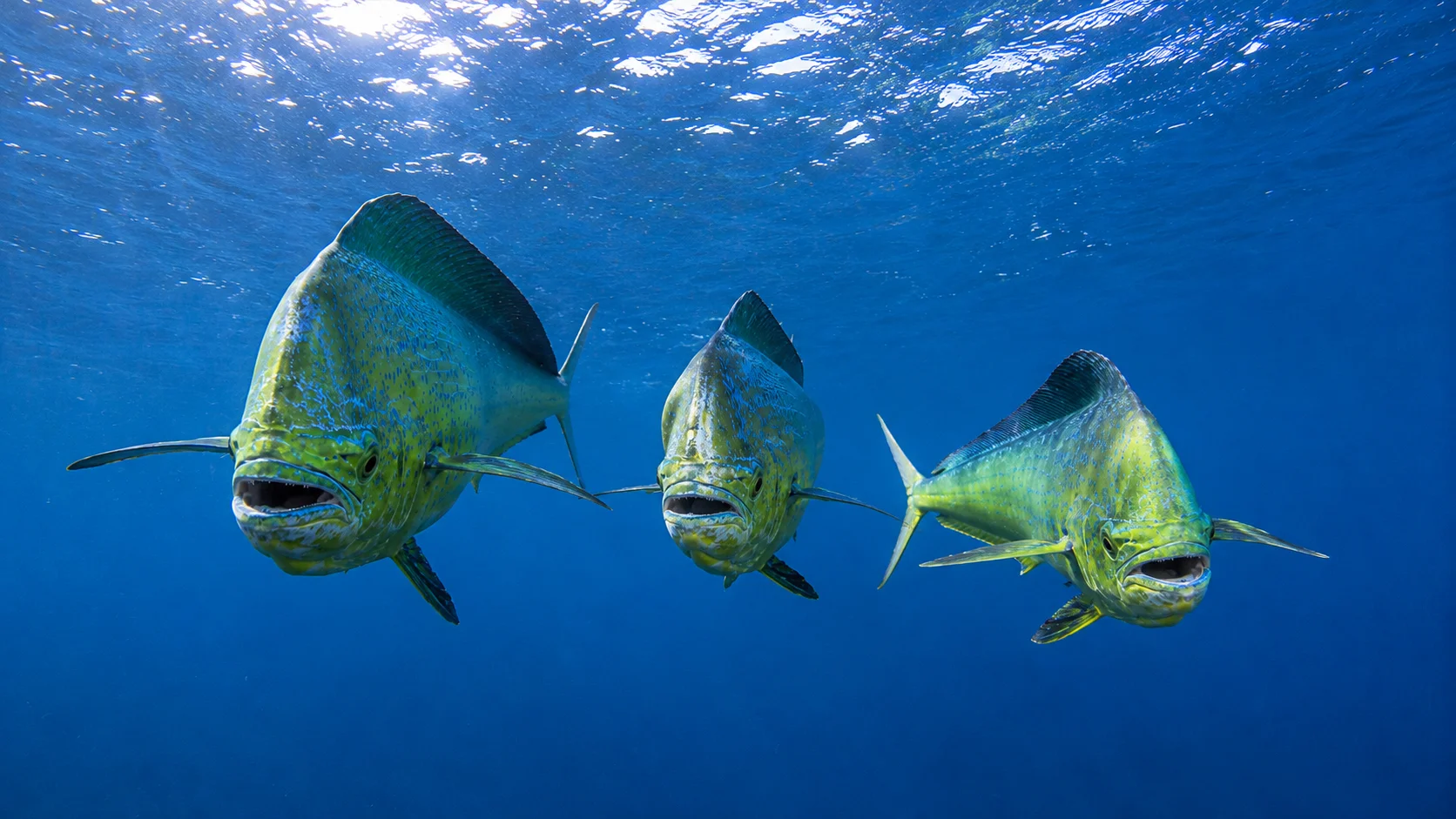
Off the small island of Culebra, east of Puerto Rico, Tomás Ayala free-dives the reef with a speargun, the way he has since he was eight years old. The 50-year-old comes from a family of fishers, and for four years he and his neighbors poured their own time and money into resurrecting Culebra's villa pesquera, the community fishing hub, or landing center, that the government had let sit abandoned. They reopened it last October to a crowd of hundreds. The federal money meant to help rebuild places like it never really arrived.
That is the finding at the center of a federal audit. Seven years after Hurricanes Irma and Maria tore through Puerto Rico's fisheries in September 2017, most of the $11.4 million that NOAA sent to rebuild them was still sitting unspent. A January 2025 report by the U.S. Department of Commerce's inspector general found that Puerto Rico's Department of Natural and Environmental Resources had spent only about 7 percent of the money, roughly $801,000, and had put funds toward just 4 of 17 planned projects. The audit was careful on one point: what Puerto Rico did spend, it spent properly. The failure was how little went out the door.
The damage the money was supposed to repair was severe. Hurricane Maria hit Puerto Rico as a Category 5 storm in September 2017, and by NOAA's accounting it cost the island's small fisheries about $17.8 million in ruined gear, boats, docks, and fishing hubs. In the years after, some fishers worked from damaged vessels and makeshift markets, waiting on aid that came slowly or not at all.
Where the money went, or did not, is a study in dysfunction. NOAA sent the funds through two agreements in 2020, one for about $9.8 million, another for $1.6 million, to be spent within a few years. Instead, the audit found, contracts stalled when Puerto Rico's central purchasing agency rejected procurement requests, contractors showed little interest and bid over budget, and some projects were blocked because they overlapped with Federal Emergency Management Agency funding. Staff turnover made it worse: four different people served as secretary of the natural resources department over the life of the awards. NOAA's own grant system, meanwhile, was mid-migration to new software, and at one point Puerto Rico said it could not spend anything for ten months while it waited for the agency to approve a budget change. Of the $1.6 million in the second agreement, the audit found, not a single dollar had been spent.
On the coast, fishers filled the gap themselves. In the beach town of Ceiba, Beverly Roman Figueroa and her partner Ernesto Correa Torres told Grist they were handed a fishing hub so neglected that photos from 2023 showed destroyed pipes and waterlogged floors, even after the municipality said it had been allocated about $124,000 in FEMA repair money. Tired of waiting, the couple put more than $60,000 of their own into fixing the place, and added solar panels for cheaper power. "Despite everything we have done at the villa, we have worked alone," Roman Figueroa said.
The audit itself only happened because Congress forced it, after members wrote to the inspector general in 2022 warning that Puerto Rico's fishers were still using damaged equipment. When Grist and its partner 9 Millones asked Puerto Rico's natural resources secretary, Waldemar Quiles Perez, about the delays, he did not address them, and said the fishing sites are privately owned or run by the Department of Agriculture. The Department of Agriculture did not respond. NOAA, for its part, disputed the audit's criticism of its oversight, telling the inspector general that the fault lay with Puerto Rico. As of the audit, about $10.6 million remained unspent, and Puerto Rico had asked to redirect the smaller award to buy three boats for fisheries law enforcement.
Underneath the stalled grant is a deeper problem the fishers know well: no single agency owns their livelihood. Puerto Rico dissolved its central fisheries body in 1990 and split its duties between two departments, and today the sector answers to a patchwork of a dozen or more bodies, from those two departments and the island's planning board to the Army Corps of Engineers, the Coast Guard, the EPA, and NOAA. Fishers are now pushing for a single office to oversee it all. The cost of the tangle is concrete: Culebra's oyster farm, the only permitted one in Puerto Rico, had to shut down about half its operations last month because an Army Corps permit was about to expire.
The stakes are larger than the sector's size suggests. Fishing is a sliver of Puerto Rico's economy, less than 1 percent of output, but in island communities where most food is imported and poverty runs at more than twice the mainland rate, a working local seafood supply is a form of insurance. The number of active fishing hubs has fallen from about 63 in the 1980s to 41 today, and the government does not have a firm count of what remains. The pressure is only building: the water around Puerto Rico has warmed nearly 2 degrees Fahrenheit since 1901, storms are intensifying, and in late May the governor declared a fresh state of emergency over coastal erosion now eating at more than a third of the island's beaches.
Back in Culebra, Ayala and his neighbors have hardened their own hub against the next storm, with solar panels, hurricane windows, and a rainwater system, the kind of climate-proofing the stalled federal projects were meant to fund. They did it, as they rebuilt the villa itself, largely on their own. "We show people how to live from the ocean, how to grow food from the ocean," Ayala told Grist. "And the government is the biggest barrier."
Sources
- Grist / 9 Millones (reference article), Ayurella Horn-Muller, "For Puerto Rico's fishers, climate change isn't the only challenge, being left to adapt alone is another" (June 30, 2026), https://grist.org/food-and-agriculture/for-puerto-ricos-fishers-climate-change-isnt-the-only-challenge-being-left-to-adapt-alone-is/
- U.S. Department of Commerce, Office of Inspector General, "Puerto Rico's Department of Natural and Environmental Resources Properly Disbursed Funds but Was Slow in Expending Fishery Disaster Assistance Funds", Report No. OIG-25-009-A (January 22, 2025), https://www.oig.doc.gov/wp-content/OIGPublications/OIG-25-009-A-SECURED.pdf
- Office of Congresswoman Nydia Velazquez, "Audit Confirms $1 Million in Federal Relief for Puerto Rican Fishers Was Never Distributed", https://velazquez.house.gov/media-center/press-releases/audit-confirms-1-million-federal-relief-puerto-rican-fishers-was-never
- NOAA, small-fisheries losses from Hurricane Maria (via NOAA Institutional Repository), https://repository.library.noaa.gov/view/noaa/51689
- PBS NewsHour, "Puerto Rico governor announces emergency to fight worsening coastal erosion", https://www.pbs.org/newshour/nation/puerto-rico-governor-announces-emergency-to-fight-worsening-coastal-erosion