
Taxonomy
Rarity
Abundance rates how many are in suitable habitat. Find difficulty rates how hard it is to locate one on a daylight snorkel or freedive through 50 ft. A higher find score means a harder search. The rarity category also reflects the kind of encounter; it is not an average of the 2 scores.
Seasonality
Location
This is among the few deep sharks on this coast that divers have met. iNaturalist held 19 California records on October 30, 2026. Some are dead animals on the beach near Moss Landing and Santa Cruz, but divers logged others. A party of 5 divers at La Jolla Shores met a shark of about 6 feet at 130 feet in November 2022, and it stayed with them a few minutes before moving deeper into the canyon. A diver in Los Angeles County saw another in 80 feet of water in August 2019.
The 2021 Love checklist runs the range from Moolack Beach in Oregon to Chile, with records from 13 to about 3,610 feet. Monterey Canyon is the best-known place to find one. Sharks of both sexes live there year round, often at about 50 to 115 feet, and groups sometimes exceed 30. A tracking study found they rest near the bottom in deep water by day, move toward the head of the canyon at dusk, and stay within a small home range.
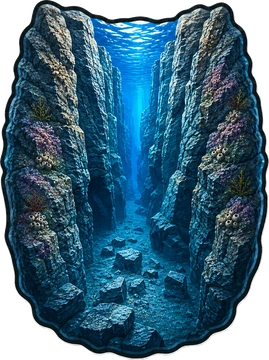
This page lists the spots tagged with the canyon habitat, because canyons are where the shark comes shallow.
Deep Dive
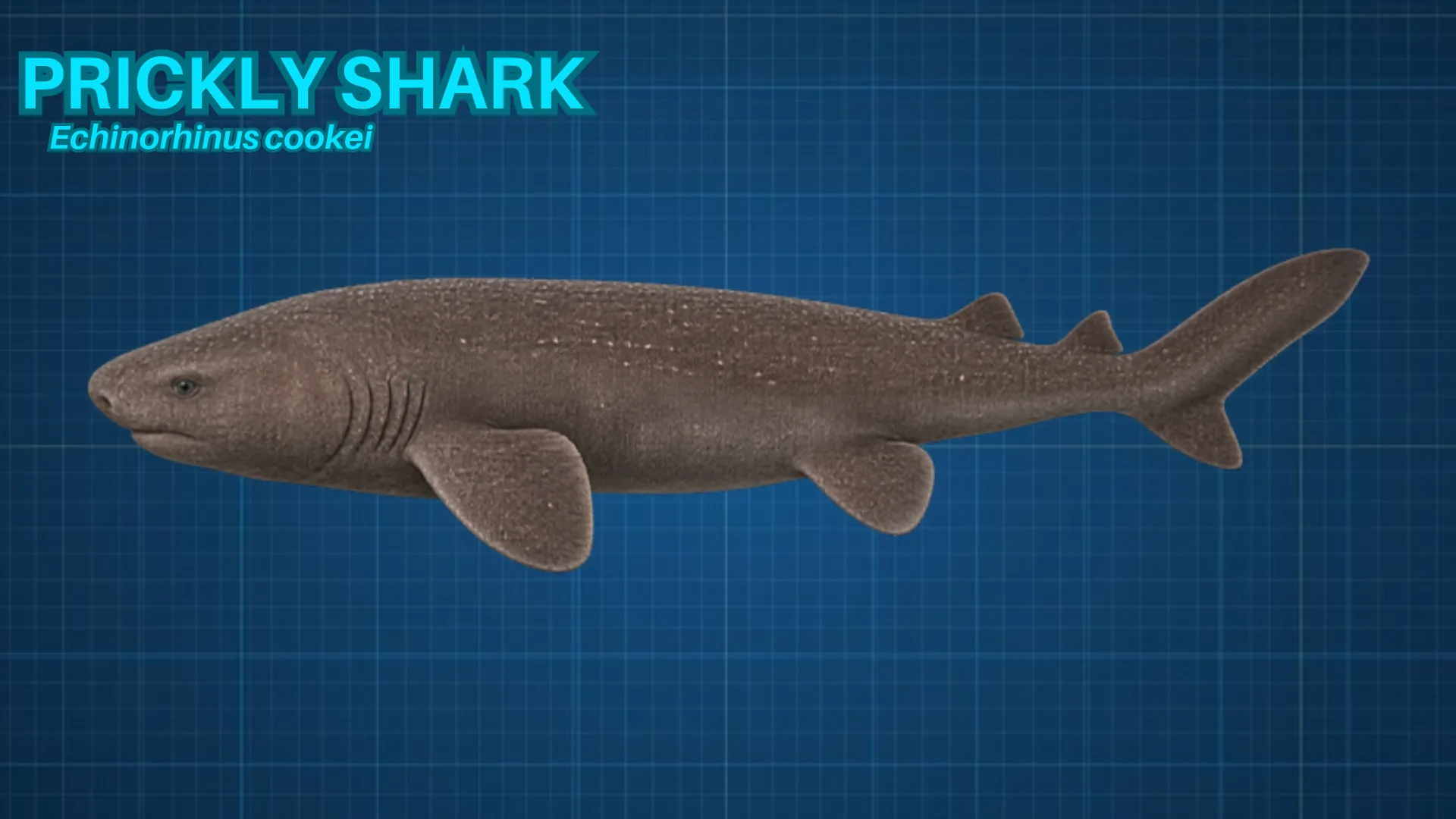
The name comes from the skin, which is covered in thorn-like scales up to about 0.16 inch across. The body is stocky and dark brown or gray, often with a purple tint. The 2 small dorsal fins, the fins on the back, sit far back near the tail, and there is no anal fin on the underside of the tail. It is reported to about 14.8 feet.
It is a slow swimmer that often hovers just above the bottom, and its mouth appears built to suck in prey. The diet includes hake, flounder, rockfish, lingcod and herring, along with spiny dogfish, young sixgill sharks, catshark egg cases, octopus and squid.
The only known pregnant female carried 114 embryos, 1 of the largest litters recorded for any shark. Newborns are probably under about 16 inches.
It is not known to be dangerous, and divers report that it tolerates contact or moves off when approached. California's booklet does not name it, so the general limit of 10 applies.
Where to Find Them
Researched habitat and range candidates
San Diego · 1 beach
Catalina Island · 2 beaches
Channel Islands · 7 beaches
Santa Barbara · 1 beach
Monterey · 6 beaches
These locations have suitable habitat within the species range. An assignment is a possible encounter, not a confirmed sighting at every beach. Season, depth, and local conditions still matter. Historical habitat without present-day evidence is excluded.