

Taxonomy
Rarity
Abundance rates how many are in suitable habitat. Find difficulty rates how hard it is to locate one on a daylight snorkel or freedive through 50 ft. A higher find score means a harder search. The rarity category also reflects the kind of encounter; it is not an average of the 2 scores.
Seasonality
Location
California's claim on this shark rests on a single line. The 2021 Love checklist starts the range at Long Beach, based on a personal communication from the Scripps Institution of Oceanography fish collection. iNaturalist held no California records on October 30, 2026. In Mexican waters it is common enough to support a seasonal inshore fishery.
The range runs from Long Beach to Paita, Peru, including the Gulf of California. Depth runs from the intertidal zone, the band of shore between the tides, to at least 89 feet. The only spot listed on this page is Long Beach, for that museum record.
Deep Dive
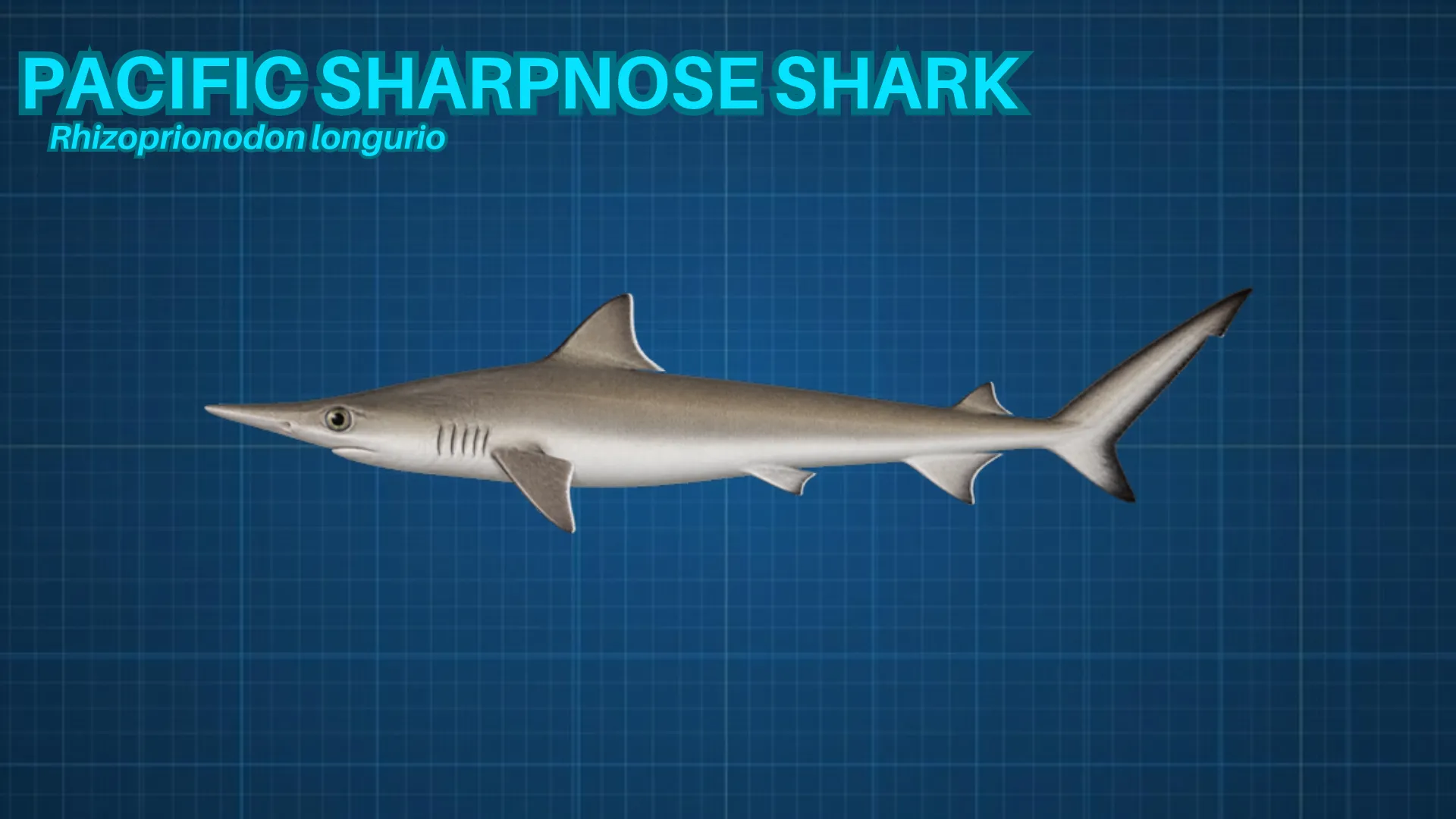
This is a slim, small requiem shark, grayish brown above and white below, with a long pointed snout. Mexican Fish, a reference site on the fishes of Mexico, says it is the only requiem shark in the eastern Pacific with long labial furrows, the grooves at the corners of the mouth. Females reach about 5 feet and males about 3.6 feet.
The diet includes squid and octopus, crustaceans and small fish. Females spend most of the year in deeper water and return inshore in separate schools to give birth, and enclosed bays and sounds serve as nurseries. Sharks mature in about 3 years and live to about 9.
Mexican Fish says bites happen but are usually not serious, while FishBase rates it harmless. California's booklet does not name it, so the general limit of 10 applies.
Where to Find Them
Researched habitat and range candidates
Los Angeles · 1 beach
These locations have suitable habitat within the species range. An assignment is a possible encounter, not a confirmed sighting at every beach. Season, depth, and local conditions still matter. Historical habitat without present-day evidence is excluded.