
Leopard Grouper
Also calledgolden grouper, cabrilla sardinera
Love and colleagues put the northern limit at Islas Coronados, off Tijuana, so Redondo Beach and La Jolla Shores both sit north of it. iNaturalist held 1 wild California record on October 31, 2026, from Redondo Beach.
Sightings
2026 season, numbered oldest first, every one sourced
Southern California
- #2Oct 30, 2026La Jolla ShoresJuvenile
Juvenile 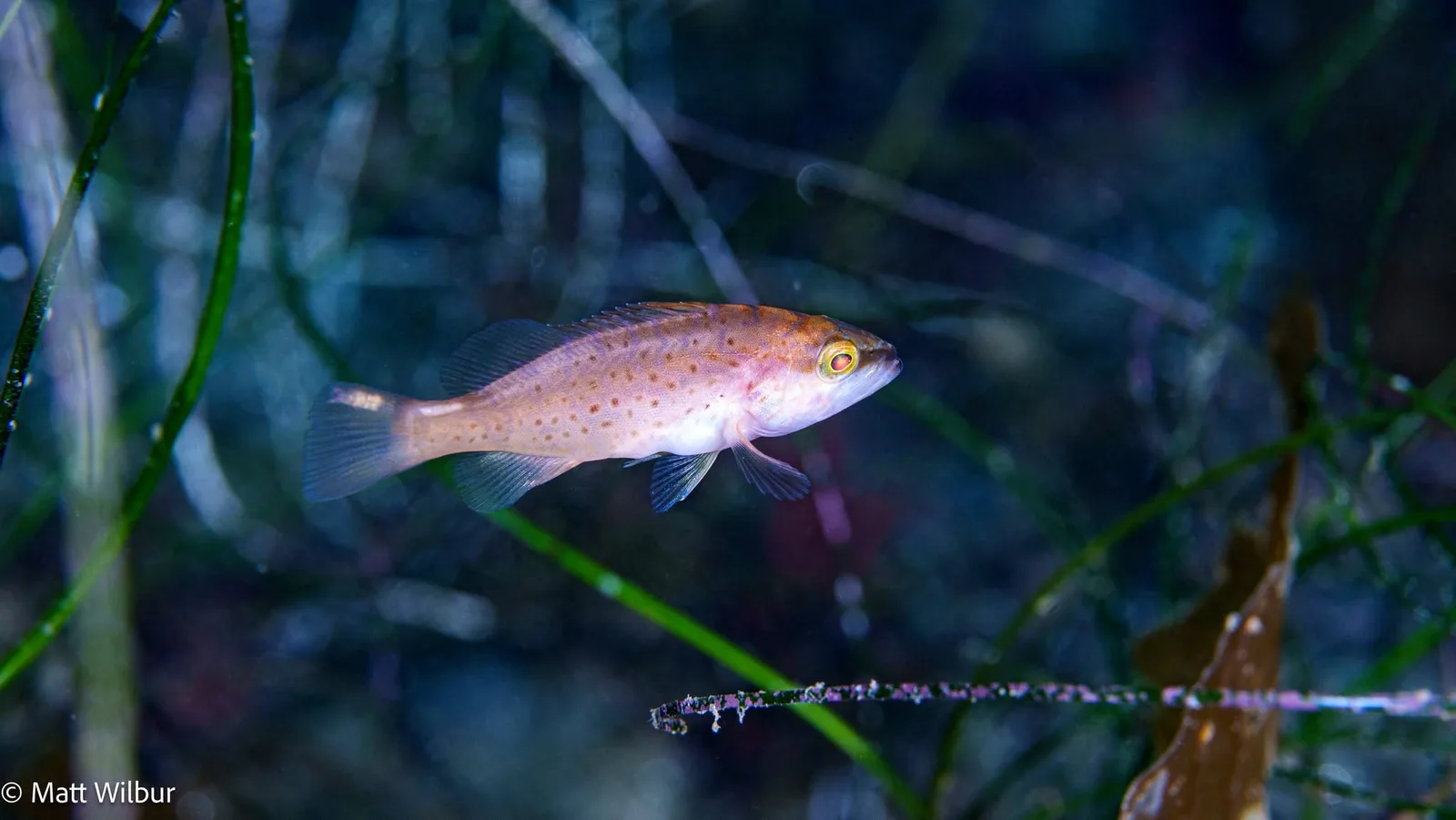
Juvenile 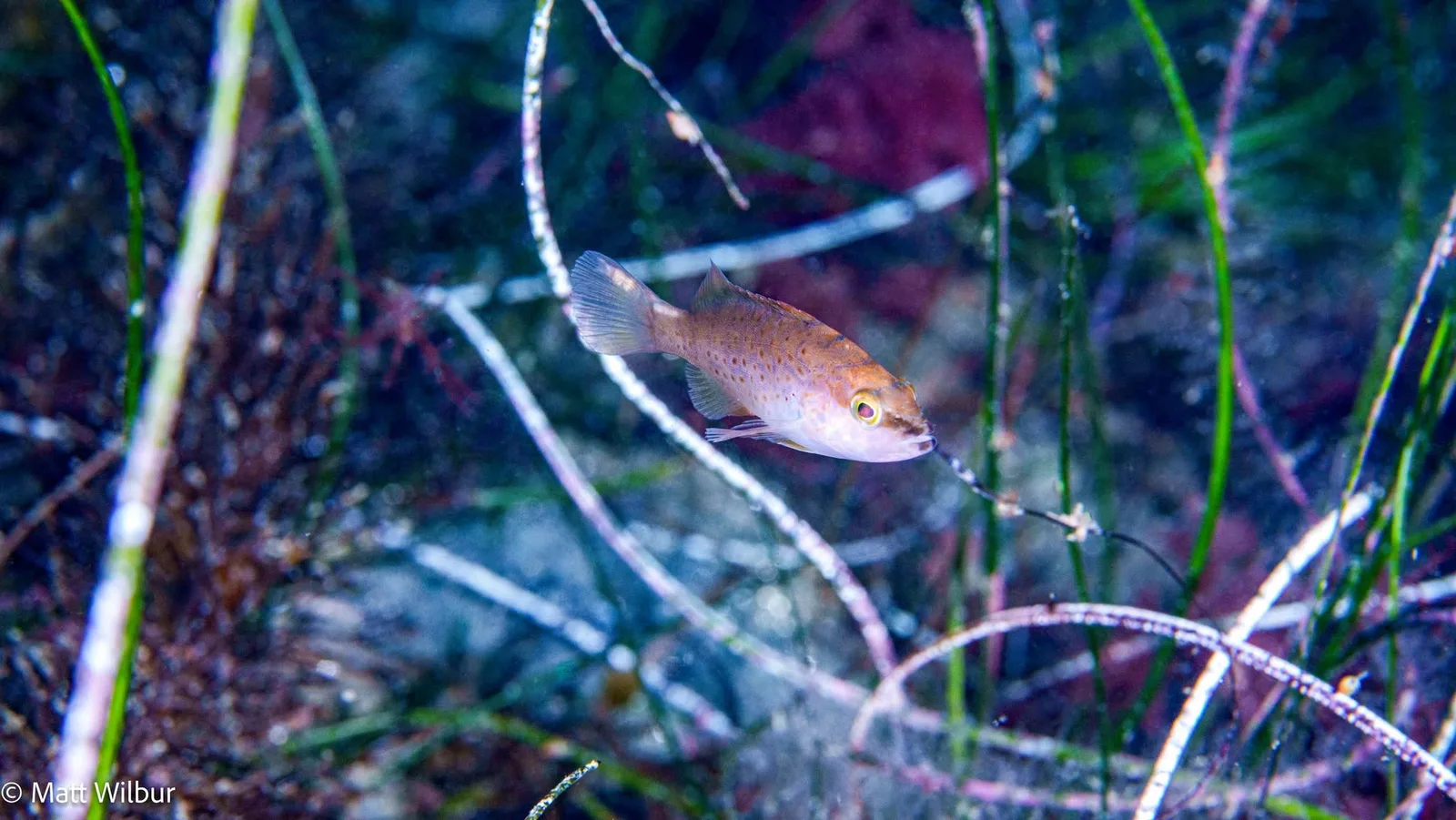
Juvenile Photos: Matt WilburID: Nautical Nick, from Matt Wilbur's photosA commenter on Matt's post: “I believe that’s a leopard grouper YOY”
Source: Matt Wilbur photos, Facebook, Oct 30 - #1Oct 28, 2026Redondo BeachSource: iNaturalist 411641960
Photos
More of each life stage
The California photos sit with their numbered sightings above. If you photographed this animal in California this season, post it to the Coastal Bulletin.
Home Range
Where it normally lives
Islas Coronados in northern Baja California to Jalisco, Mexico, including the Gulf of California and Isla Guadalupe.
Range source: Love et al. 2021, via Zenodo · FishBase · Mexican Fish.com
Love and colleagues list the leopard grouper from Islas Coronados, off Tijuana, to Bahía Banderas in Jalisco, Mexico, including the Gulf of California and Isla Guadalupe. FishBase starts the range on the southwest coast of Baja California, and Mexican Fish starts it at Magdalena Bay. It is most abundant in the central Gulf of California.
Identification
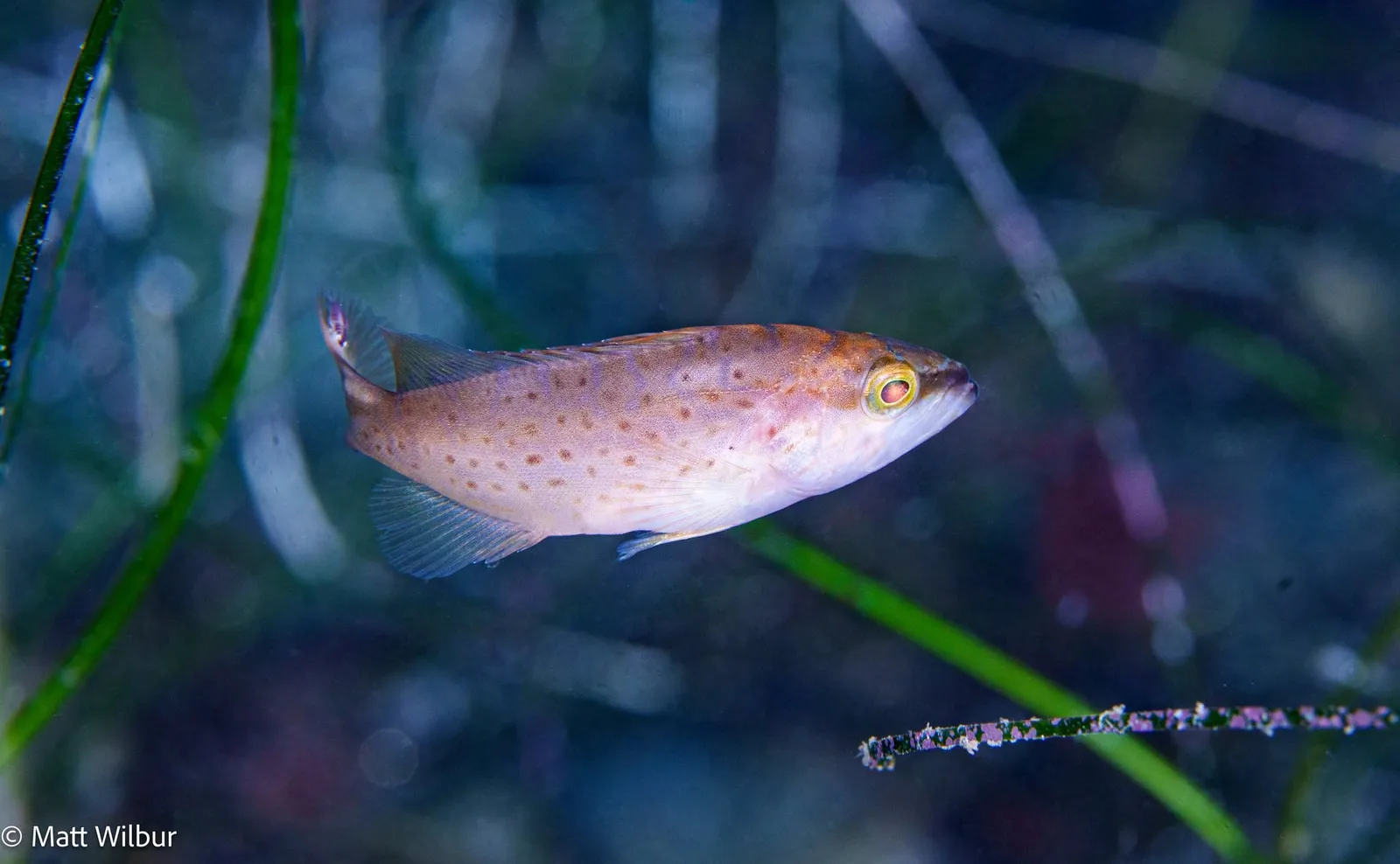
The leopard grouper has a long body that tapers at both ends. Most fish are greenish to grayish brown, covered in small reddish brown spots with irregular pale spots and lines, and the fins have a narrow white edge. A small share of them turn bright yellow-orange, often with a few scattered black spots, and these are known as golden groupers. The FAO grouper catalog puts that share at under 5% of juveniles. Mexican Fish puts it at about 1% of fish, with the change coming at about 10 inches. The sawtail grouper looks similar, but it is tan with brown oval blotches and has a saw-like tail.
The sources read for this page do not describe the youngest fish in detail. The juvenile photographed at La Jolla Shores is pale tan and white, with small red-brown spots and a yellow ring around the eye.
Natural History
Leopard groupers live on rocky reefs in shallow water. FishBase gives a depth range of about 3 to 164 feet, and Love and colleagues list records down to 328 feet. FishBase puts the largest fish at about 34 inches, and Love and colleagues at about 39 inches. Adults feed mainly at dawn and dusk on schooling fish such as Pacific anchoveta and flatiron herring. Juveniles feed through the day on crustaceans and small bottom fish. Adults gather to spawn from April through June, and fish live at least 17 years.
In the Gulf of California, young leopard groupers settle on shallow rock covered in Sargassum, a brown seaweed. A 2007 study found that Sargassum thins out as El Niño conditions strengthen, and that the number of young groupers falls with it.
In California
On October 28, 2026, a leopard grouper was logged on iNaturalist at Redondo Beach, and iNaturalist users agreed on the ID. On October 30, 2026, Matt Wilbur photographed a juvenile among seagrass at La Jolla Shores. Commenters on his post identified it, and Nautical Nick confirmed the ID. iNaturalist's only other California record, from 2024, is marked as a captive fish.
Taxonomy
Rarity
Rarity in the compendium is Nautical Nick's call on how likely a diver is to run into the animal on the California coast this season, not how rare it is where it normally lives.